
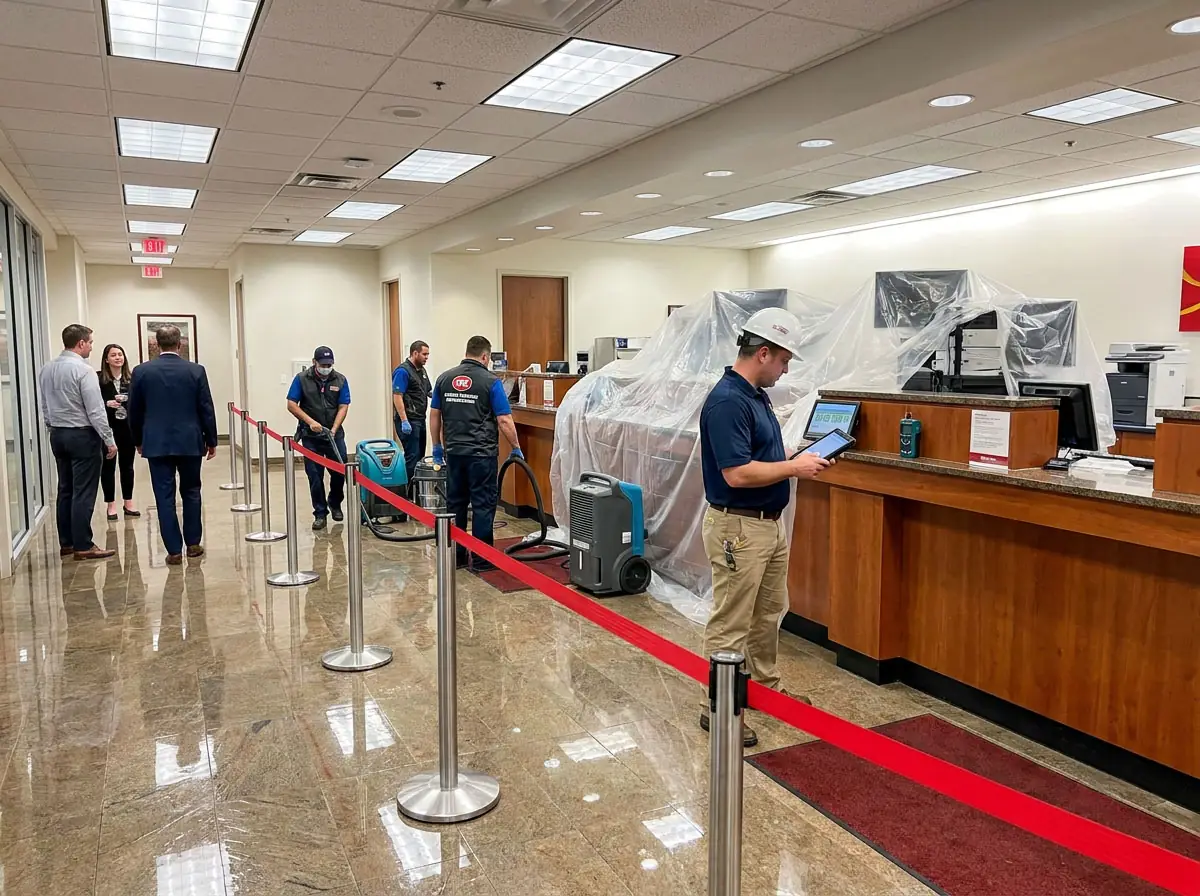


⚡ TL;DR: Discover what pros prioritize first in water damage inspections for Tampa homes, spotting visible signs, hidden moisture, structural issues, and hazards to avert costly damage.
📋 What You’ll Learn
Explore what Tampa water damage pros check first to spot hidden threats, prevent structural issues, and save homeowners from costly repairs after floods or leaks.
- Spot visible red flags during the initial walkthrough, like discoloration, warping, or musty odors common in Tampa's humid homes that signal early water intrusion.
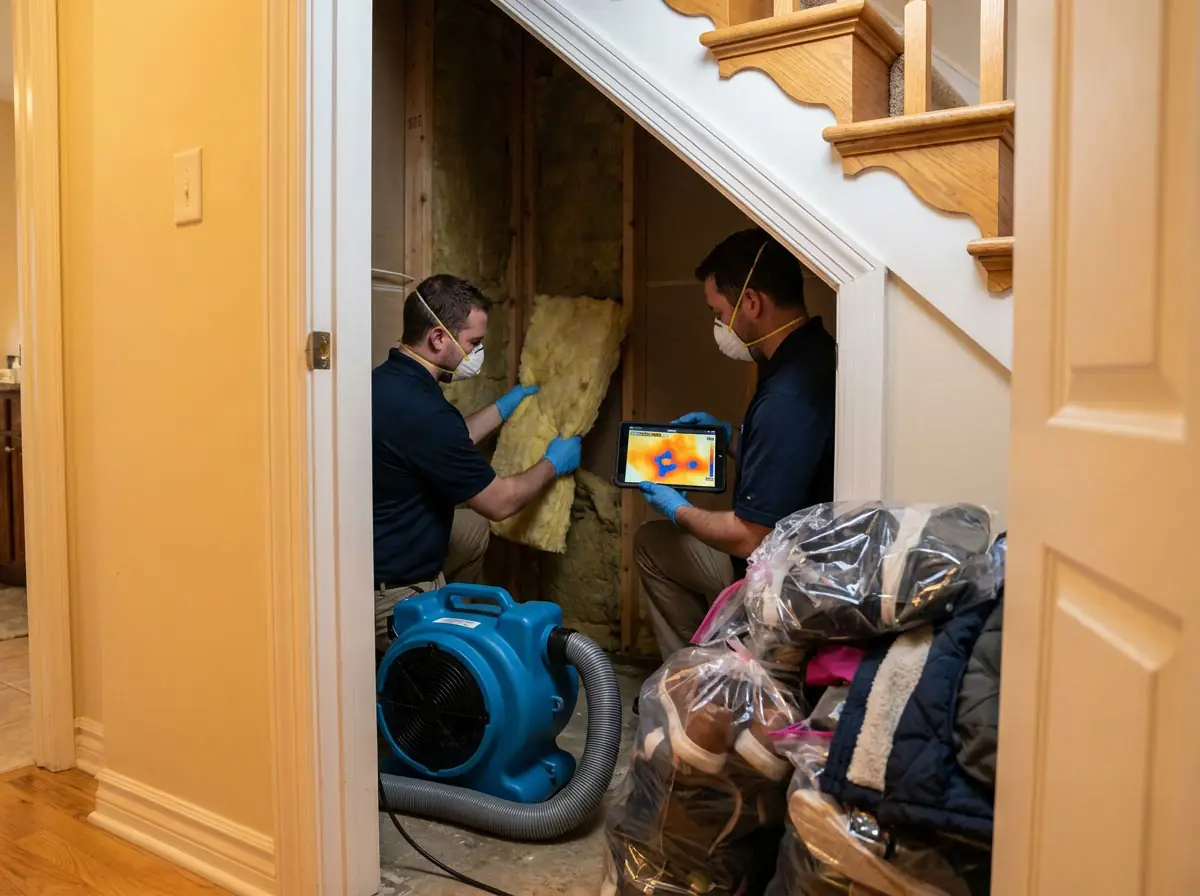
- Uncover hidden moisture using precision tools to detect concealed water behind walls and floors before mold and rot cause irreversible damage.
- Probe walls and ceilings for structural weaknesses, including soft spots, bulging, or cracks that compromise your home's integrity after water exposure.
- Scrutinize floors and subfloors for warping, buckling, or trapped flooding that could lead to collapse or persistent health hazards like mold growth.
- Assess electrical and HVAC risks to avoid sparks, system failures, or blockages from water damage that endanger safety and air quality.
📖 Reading time: 7 min
✍️ Author expertise: Tampa water damage inspector with 20+ years of field experience restoring FL homes from floods and leaks.
That sickening squish under your bare feet hits like a gut punch after Tampa's latest deluge. You've got water pooling in the corner, walls turning yellow, and that musty stink creeping in—but is it just surface mess, or a nightmare waiting to explode?
One missed spot can mean thousands in repairs, structural rot, or worse, health hazards from lurking mold. Homeowners call us in panic, thinking they've dodged the bullet until pros uncover the real damage.
In Tampa's humid hell, water damage inspections zero in on the danger zones first: hidden moisture behind drywall, warped subfloors, and compromised electricals that could spark disaster.
Want the insider checklist that saves homes every day? Keep reading to see exactly what we hunt for on arrival.
Step 1: The Initial Walkthrough - Spotting Visible Red Flags in Tampa Homes
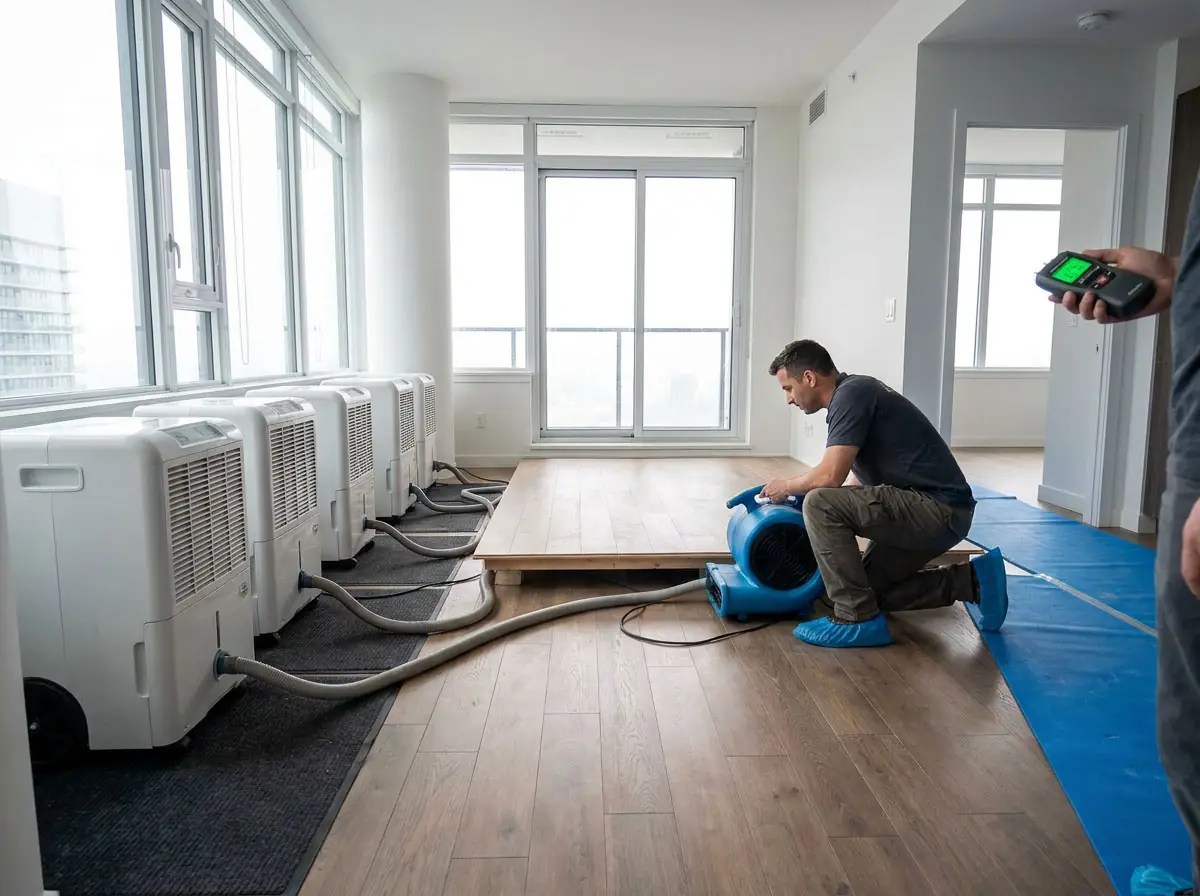
We step through your front door in Tampa, boots ready for the worst. No fancy gear yet—just sharp eyes and years of chasing leaks after summer storms. This quick scan catches 80% of the obvious culprits before we dig deeper.
Picture this: water damage hides in plain sight if you know where to look. Pros like us hit the ground running, circling rooms for telltale signs that scream trouble.
Top Visible Red Flags We Hunt Down First
- Stains on walls or ceilings: Brown, yellow, or black spots from roof leaks or pipe bursts.
- Buckled or cupped floors: Wood swells fast in Florida humidity, pointing to subfloor saturation.
- Peeling paint or bubbling drywall: Fresh water pushes through, creating blisters you can't ignore.
- Warped doors and window frames: They stick or won't close right after hidden moisture attacks.
- That unmistakable musty odor: Mold's calling card, even if you don't see it yet.
In Tampa's relentless rain and humidity, these flags pop up quickest after hurricanes or AC failures. Spot them early, and you halt the spread cold.
Step 2: Moisture Detection Tools - Uncovering Hidden Water with Precision Tech
Visible puddles fool most folks. But water sneaks behind walls and under floors like a thief in Tampa's steamy air. Pros grab moisture meters first, pinning exact danger spots no eye can see.
These handheld gadgets buzz alive on contact. Pin-type meters jab into drywall for readings over 15%? Red flag. Non-invasive ones scan deep without a scratch.
Tech That Spots the Sneaky Stuff
- Thermal imaging cameras: Glow hot zones where water traps heat. Perfect for spotting roof leaks bleeding down.
- Hygrometers: Measure air humidity spikes signaling trapped moisture. Tampa's muggy baseline? We beat it every time.
- Borescopes: Snake cameras into cracks, revealing black water pockets before they rot your joists.
One quick scan flips the script. We caught a slab leak under a South Tampa kitchen last week. Saved the slab from heaving up like a bad breakup.
Step 3: Wall and Ceiling Deep Dives - Probing for Structural Compromise
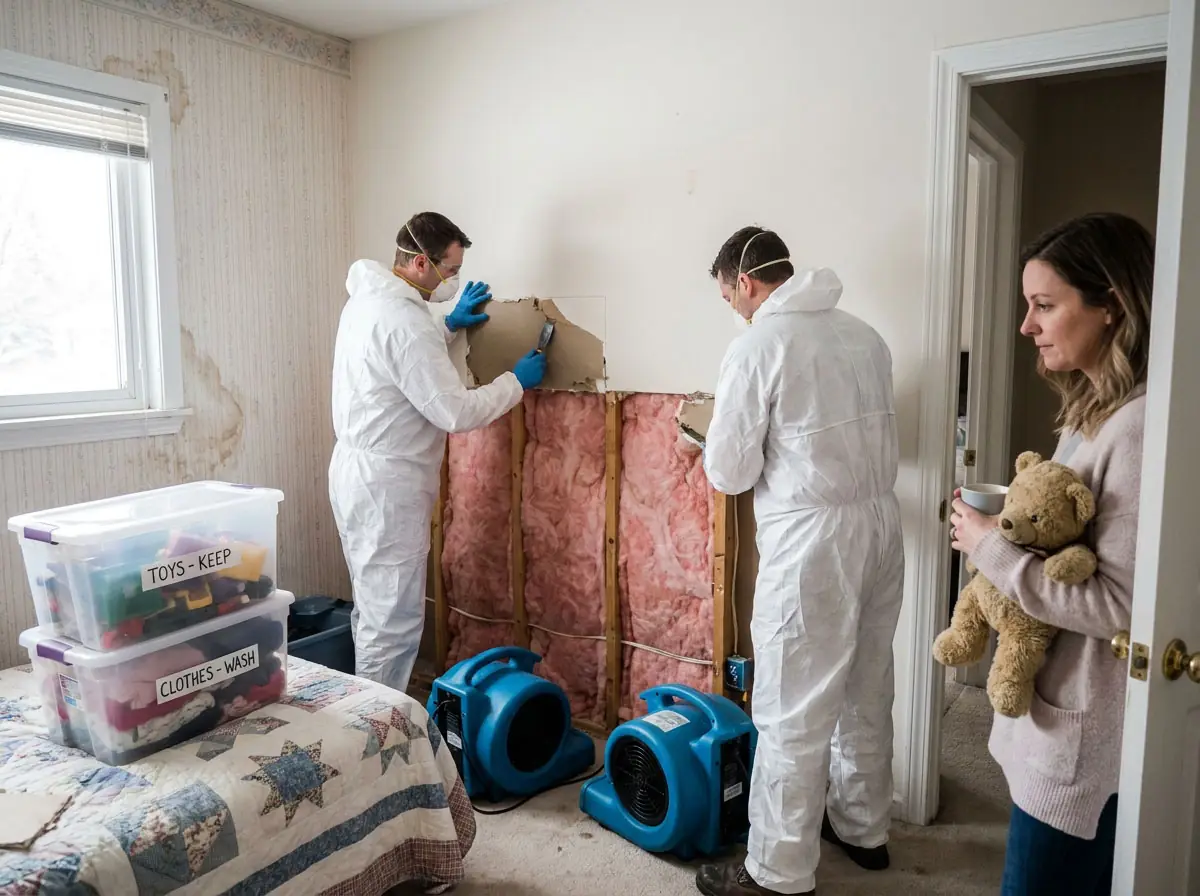
We grab our moisture meters and thermal cameras right after the walkthrough. Walls look fine from the outside. But push a screwdriver into drywall, and it sinks like butter if water's been feasting inside.
Key Danger Signs in Walls
- Bubbling paint or peeling wallpaper screams trapped moisture.
- Soft, crumbling spots when you tap or press.
- Dark stains that spread like ink on paper.
Ceilings get the same treatment. Yellowish-brown rings mean leaks from above have dripped for weeks. One poke reveals if studs are rotting, turning your home's skeleton to mush.
In Tampa's steamy air, this step catches silent killers like black mold colonies behind the surface. We cut small test holes only where needed, then scope with borescopes for hidden cracks. Miss this, and your roof could cave under the next storm.
Step 4: Floor and Subfloor Scrutiny - Warped Boards and Hidden Flooding
Floors fool you every time. That carpet looks dry on top, but lift it and bam—soggy subfloor rotting from below. In Tampa's frequent floods, we drop to our knees first thing, prying up tiles or pulling back rugs to expose the truth.
Warped hardwood screams trouble. Soft spots underfoot? Could be plywood delaminating, ready to collapse. We tap, probe, and moisture-meter every inch—no guesswork.
Key Red Flags We Hunt Down
- Buckled laminate or vinyl lifting at edges—water's been partying underneath.
- Discolored grout in tile, or hollow sounds when you knock—subfloor saturation confirmed.
- Curling baseboards hiding black streaks—mold's foothold, spreading fast in our humidity.
Ignore this, and your whole foundation weakens. One Tampa ranch home nearly caved when we found two inches of trapped water under slab-adjacent flooring. Catch it early? Problem solved cheap.
Step 5: Electrical, HVAC, and Plumbing Hazards - Sparks, Mold, and Blockages
Water loves to sneak into the worst spots. Outlets buzzing? Wires exposed? We flip breakers and test every junction box right away. One soaked circuit can ignite your whole house faster than a lightning strike over Tampa Bay.
Electrical Nightmares First
- Discolored outlets or switches: Brown stains scream corrosion. Pull the cover, and you'll see the rot.
- Exposed wiring behind soggy drywall: Touch it wrong, and sparks fly.
- GFI trips that won't reset: Hidden shorts waiting to short your home to ashes.
Skip this, and insurance laughs off your claim. We document it all with photos for your report.
HVAC and Plumbing Traps
Air handlers dripping? Ducts sweating in that Tampa humidity? Mold colonies explode inside, pumping spores through every vent. We probe coils and drains for the black stuff that chokes your lungs.
- Clogged AC condensate lines: Standing water breeds bacteria bombs.
- Plumbing leaks under sinks or slabs: Silent drips erode foundations over weeks.
- Warped pipes: One freeze-thaw cycle from hell, and they burst wide open.
We shut off mains if needed, then trace every pipe with our meters. No surprises later. Your family's breathing easy depends on it.
Real Tampa Case Study: How We Caught a $50K Disaster Before It Struck
Picture this: Mike in South Tampa calls us after a brutal thunderstorm. Water drips from his living room ceiling. He wipes it up, slaps on some paint, and thinks he's good.
Our team shows up for the inspection. Initial walkthrough reveals yellow stains spreading like wildfire. But that's just the start.
What We Uncovered Step by Step
- Moisture meters screamed high readings behind the drywall. Hidden saturation at 40% humidity.
- Wall probes hit soft spots. Rot eating through studs like termites on steroids.
- Floor scrutiny exposed warped subfloor oak boards. Below? A muddy mess from slab leaks.
- Electrical check? Live wires sparking in wet junctions. One flip of a switch could have torched the place.
Mike's "quick fix" ignored it all. Full tear-out would have cost $50,000. We caught it early. Contained repairs ran him just $8K.
Lesson? That musty smell isn't nothing. It's your house screaming for help. Pros spot the killers homeowners miss every time.
Final Words: Protect Your Home - Call for Inspection Today
Tampa's rains don't quit. One unchecked leak turns into rot that eats your foundation alive. We've seen it bury families in repair bills they can't shake.
Skip the guesswork. A pro inspection spots trouble before it snowballs. Your home stays solid. Your wallet breathes easy.
Hit Us Up Now If...
- That damp spot won't dry.
- Mold smell hits your nose.
- Floors feel spongy underfoot.
Don't wait for the big crack. Dial for a Water Damage Inspection today. We roll out fast, fix the hidden threats, and hand you back peace of mind.
People Also Ask
What are the first signs professionals check for during a water damage inspection in Tampa?
Pros start with visible red flags like water stains, discoloration, or bubbling paint on walls and ceilings during the initial walkthrough. They also look for warped floors, musty odors, and mold growth, which are common in Tampa's humid climate. Early detection prevents costly structural damage.
How do experts detect hidden water damage in Tampa homes?
Using moisture meters, thermal imaging cameras, and hygrometers, professionals uncover concealed moisture behind walls or under floors. These precision tools reveal issues invisible to the naked eye, especially after Tampa's heavy rains or hurricanes. Prompt inspection stops mold and rot from spreading.
What structural issues do pros probe for in walls and ceilings during inspection?
They use probes and borescopes to check for soft spots, rot, or compromised drywall in walls and ceilings. In Tampa homes, this identifies damage from leaks or flooding that weakens the structure over time. Addressing these early avoids expensive repairs.
Why inspect floors and subfloors first in a water damage assessment?
Floors often show warping, buckling, or squeaking from hidden flooding beneath, which pros scrutinize with moisture detectors. Subfloor damage can lead to mold and instability if ignored, a frequent issue in Tampa's flood-prone areas. Thorough checks ensure safety and prevent further deterioration.
When should Tampa homeowners call for a professional water damage inspection?
Schedule one immediately after floods, leaks, or high humidity events to catch hazards like electrical risks or HVAC mold. Even without obvious signs, routine inspections protect against Tampa's tropical storms. Contact local experts today to safeguard your property.
Bob Carlton is a fire, water, and mold cleaning specialist with over 15 years of experience in residential and commercial buildings throughout Tampa, FL. He focuses on water damage restoration tailored to the local climate and coastal challenges. Bob serves Tampa homeowners and businesses with proven restoration methods.
Need Water Damage?
Quick water damage restoration in Tampa, FL and nearby areas (33602, 33606, 33607, 33609, 33611), delivering dry, safe properties with minimal downtime.
Get Estimate Now