

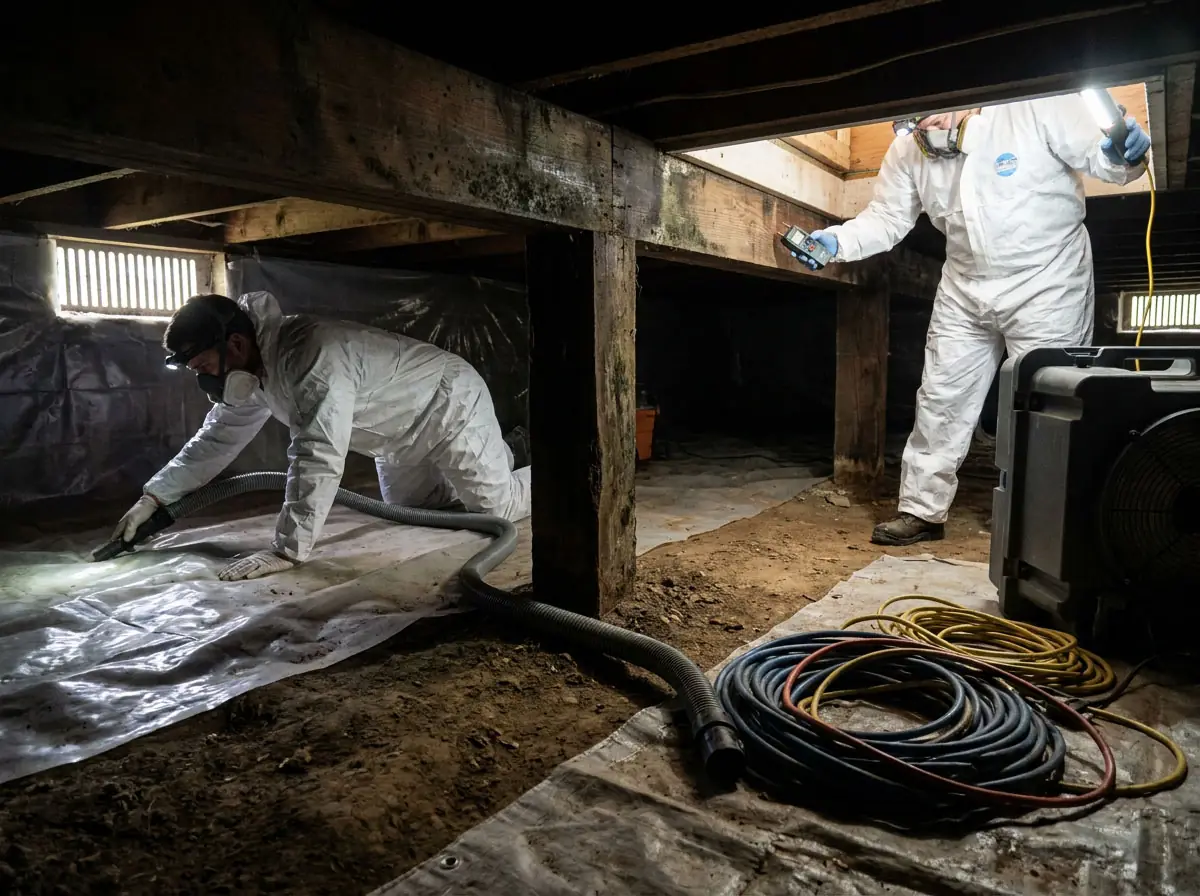


⚡ TL;DR: Tampa homeowners learn essential mold remediation steps after water damage, from spotting hidden growth and health risks to professional tips and prevention in humid Florida conditions.
📋 What You’ll Learn
In Tampa's humid climate, this ultimate mold remediation guide equips you to spot, safely remove, and prevent mold growth after water damage, protecting your home and health.
- Understand how mold thrives post-water damage in Tampa's steamy environment, including rapid growth triggers, humidity factors, and why Florida homes are prime hotspots for infestations.
- Master spotting hidden mold signs with inspection tips tailored for Tampa residences, from musty odors and wall discoloration to advanced detection methods for concealed threats.
- Grasp health risks and remediation choices facing Tampa families, weighing DIY pitfalls against professional strategies to minimize exposure and long-term dangers effectively.
- Follow a step-by-step removal process customized for Florida conditions, covering containment, cleanup, drying, and prevention to restore your home safely and thoroughly.
- Gain insights from real Tampa case studies on rescuing severe infestations, plus expert prevention tips to avoid future water-related mold nightmares in your Bay Area property.
📖 Reading time: 7 min
✍️ Author expertise: Tampa water damage pro with 20+ years of hands-on mold remediation in Florida homes.
You step into your Tampa home after a brutal rainstorm, only to hit a wall of that sickening, earthy stench. Black spots creep across your walls like an unwanted guest who won't leave. Water damage doesn't just soak your floors; it unleashes mold that thrives in our steamy Florida air.
Left unchecked, this fuzzy invader wrecks your health, spikes your allergies, and tanks your property value faster than a hurricane warning. But here's the good news: you don't have to live with it.
We've got the no-BS blueprint to spot, kill, and prevent mold after water damage hits. Dive in and reclaim your home before it's too late.
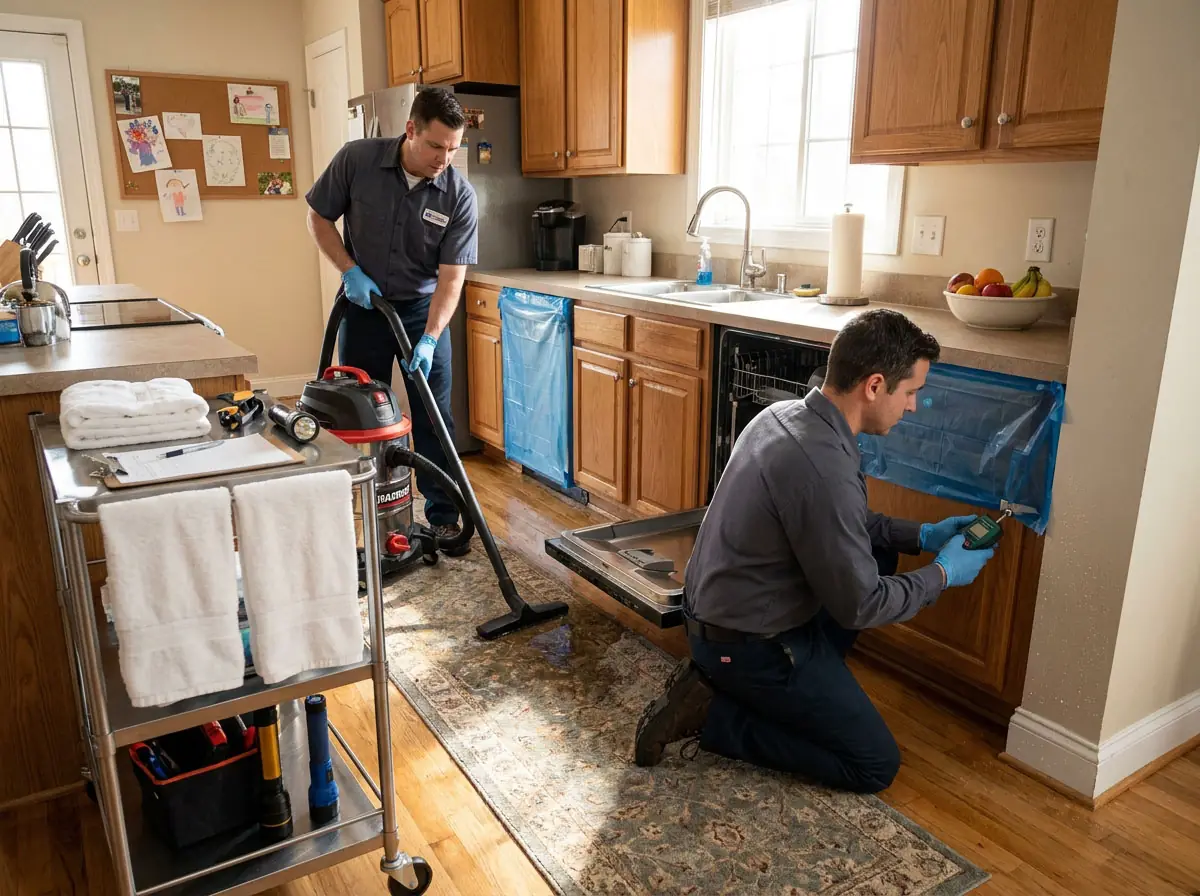
How Mold Thrives After Water Damage in Tampa's Humid Climate
Picture this: water floods your Tampa home from a busted pipe or storm surge. That moisture doesn't dry up quick. It lingers, feeding mold spores already floating in the air.
Our Florida heat pumps things up. Average humidity here hits 70-90% year-round. Mold loves that combo of dampness and warmth above 77°F.
Key Ingredients for Mold Explosion
- Moisture: Water damage soaks walls, ceilings, floors. Even small leaks keep it wet for days.
- Food source: Drywall, wood, carpet – all perfect snacks for mold colonies.
- Time: Mold kicks off growth in 24-48 hours. Tampa's sticky air speeds it to visible patches in a week.
Skip drying out fast, and colonies explode. Hidden spots like behind drywall turn into breeding grounds. Your home becomes a petri dish before you notice the smell.
Spotting Hidden Mold: Signs and Inspection Tips for Tampa Homes
Red Flags You Can't Ignore
Mold loves to hide in Tampa's soggy walls and ceilings after a flood. That musty odor hitting your nose? It's mold's calling card, even if you see nothing.
Look for warped drywall, bubbling paint, or dark stains in corners. Tampa's humidity turns small leaks into mold factories overnight.
- Water stains on walls or ceilings that keep spreading
- Peeling wallpaper or blistering paint
- Soft spots on carpets or wood floors
- Increased allergy symptoms like sneezing or itchy eyes
Smart Inspection Moves for Tampa Homeowners
Grab a flashlight and check behind furniture, under sinks, and in your attic. Feel for dampness; mold needs moisture to grow.
Use a cheap moisture meter from the hardware store. Readings over 15% scream trouble in our Florida heat.
Don't stop at surfaces. Peek inside HVAC vents and crawlspaces, prime mold hideouts after water damage hits.
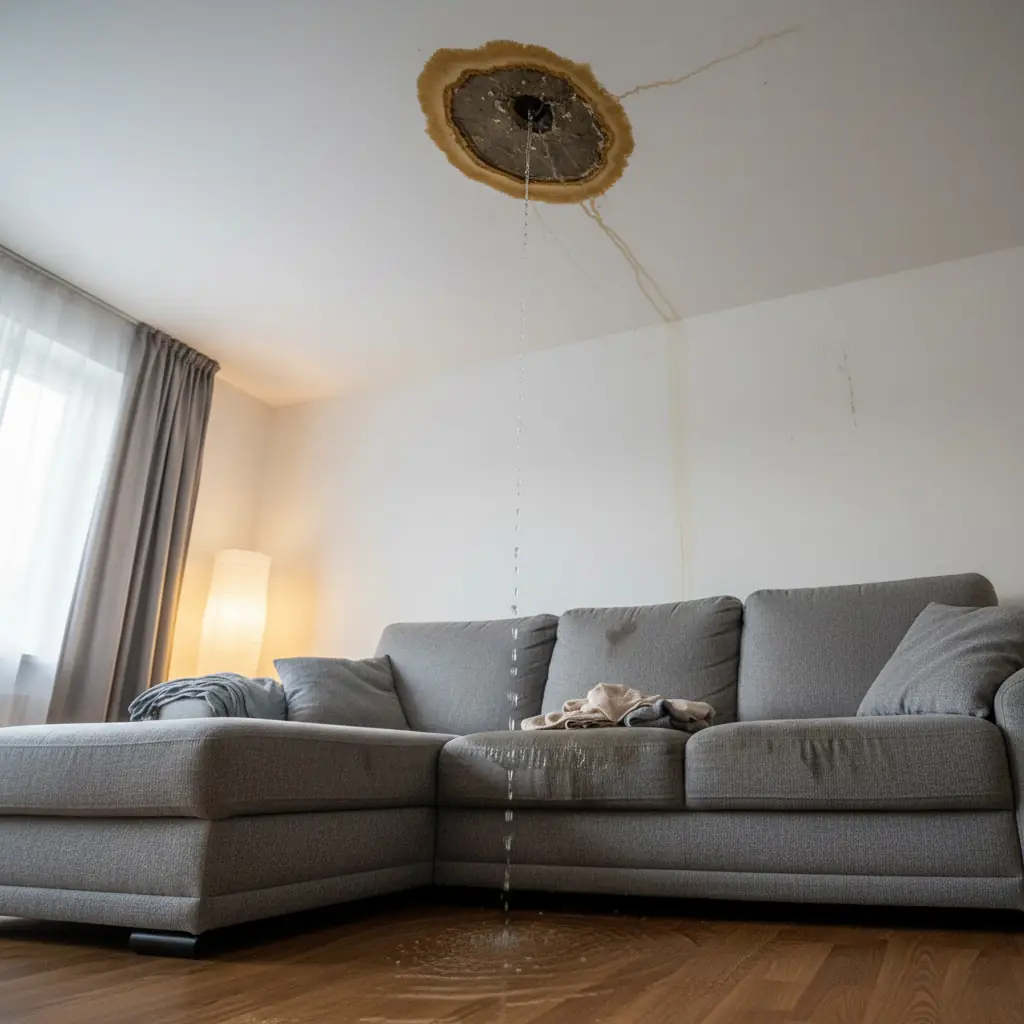
Health Risks: Why Mold After Water Hits Tampa Families Hardest
Mold spores don't just ruin your drywall. They invade your lungs. In Tampa's soup-like humidity, they multiply fast after floods or leaks, turning your home into a toxin factory.
Breathing this junk daily triggers wild allergies, sinus infections, and asthma flares. Kids and seniors catch it worst, coughing through nights while you foot endless doctor bills.
Top Health Threats from Post-Water Mold
- Respiratory havoc: Wheezing, shortness of breath, even bronchitis in heavy exposures.
- Eye and skin irritation: Burning eyes, rashes that itch like fire.
- Immune system sabotage: Headaches, fatigue, and worse for those with weakened defenses.
- Mycotoxin madness: Rare but brutal neurological hits like memory fog or tremors.
Tampa families face amplified danger. Our year-round heat and moisture supercharge mold growth, often hidden in AC ducts or crawlspaces. Floods from hurricanes hit hard here, spiking cases where entire households battle chronic symptoms.
Don't wait for ER visits. Early action slashes these risks before mold claims another victim.
DIY vs. Professional Remediation: What Tampa Homeowners Need to Know
Grab a scrub brush and bleach? Sounds simple. But in Tampa's muggy heat, DIY mold cleanup often backfires hard.
Why DIY Fails Tampa Homes
- You miss hidden mold behind drywall or in your HVAC ducts. It bounces back stronger.
- Bleach kills surface stuff but ignores roots. Spores spread through your AC vents like wildfire.
- No gear means you breathe toxins. Headaches, coughs, worse allergies hit you first.
Small spots under 10 square feet? Maybe handle it. Anything bigger? Call in the pros now.
Pro Remediation: The Smart Tampa Play
Certified teams use HEPA vacuums, air scrubbers, and moisture meters. They fix the water source first, then nuke the mold for good.
Expect full inspections, containment, safe removal, and prevention coatings. Your home stays dry, your family safe.
- Insurance often covers it. No out-of-pocket pain.
- Guaranteed results. No sneaky regrowth in Florida's soup-like air.
- Fast turnaround. Back to normal before the next storm.

Step-by-Step Mold Removal Guide Tailored for Florida Conditions
Grab your gear first. In Tampa's sticky heat, mold spreads like wildfire if you rush in unprotected. Suit up with N95 masks, gloves, goggles, and disposable coveralls to shield yourself from spores that love our humid air.
1. Kill the Source and Contain the Chaos
Shut off HVAC to stop spores from hitchhiking through your ducts. Seal off the area with thick plastic sheeting and tape - Florida's breeze can push mold everywhere fast.
- Fix leaks or pump out standing water immediately.
- Use a dehumidifier cranked to 30% humidity or lower.
- HEPA vacuum loose debris before anything else.
2. Scrub and Scrap That Nasty Growth
Mix a bleach solution - one cup per gallon of water - but test a small spot first on colored surfaces. Wipe down hard surfaces, never rinse to avoid spreading spores in our muggy climate.
For porous stuff like drywall? Cut it out. Anything under two feet from the damage gets the boot. Bag it double and trash it outside.
3. Dry Like Your Home Depends On It (It Does)
Run industrial fans and dehumidifiers non-stop for 48-72 hours. Check moisture levels with a meter - aim below 15% on wood, 12% on drywall.
- Monitor daily in Tampa's humidity spikes.
- Apply antimicrobial sprays for extra punch.
- Re-inspect after a week; one missed spot restarts the party.
DIY works for small jobs under 10 square feet. Bigger? Call pros now. Our Florida mold laughs at half-measures.
Case Study: Rescuing a Tampa Bay Area Home from Severe Mold Infestation
The Call That Started It All
A St. Pete Beach family called us in panic after hurricane floodwaters invaded their raised bungalow. Water sat under the home for days in Tampa's muggy post-storm air. Mold exploded everywhere - walls, floors, even the AC ducts.
Our Deep Dive Inspection
We geared up with moisture meters and air samplers. Found Stachyomyces chartarum - the nasty black mold - coating 40% of the crawlspace. Hidden growth behind drywall pushed moisture levels to 80% humidity. No wonder the kids were coughing non-stop.
Battle Plan and Blitz Attack
First, we sealed the home and hit it with industrial HEPA vacs. Then, targeted antimicrobial treatments knocked out the spores. New vapor barriers and dehumidifiers sealed the deal.
- Week 1: Full demo and removal - 500 sq ft of infested materials gone.
- Week 2: Dry-out with 10 massive fans; moisture dropped to 12%.
- Week 3: Rebuild with mold-resistant drywall and fresh insulation.
Results That Stuck
Post-job tests showed zero viable mold. The family breathed easy, allergies vanished, and their home value jumped back up. Total cost? Under $25K - way less than a full gut job. This Tampa rescue proves pros beat DIY every time.
Final Words: Reclaim Your Home and Prevent Future Mold Nightmares
Mold doesn't stand a chance if you hit it fast and smart. Act within 48 hours of water damage. Call pros for anything bigger than a showerhead leak.
Prevention beats cleanup every time. Keep your Tampa home dry. Fix leaks yesterday. Run that dehumidifier like it's your job.
Lock Out Mold for Good
- Inspect attics and crawlspaces monthly. Tampa humidity hides mold traps.
- Upgrade to mold-resistant drywall after repairs.
- Schedule annual checks with mold remediation experts.
One overlooked spot turns into a nightmare. Stay ahead. Your family's health demands it.
People Also Ask
How long does mold take to grow after water damage in Tampa?
Mold can begin growing within 24-48 hours after water damage, especially in Tampa's humid climate where moisture lingers. High humidity levels accelerate spore germination, turning minor leaks into major infestations quickly. Act fast by calling local experts to prevent widespread growth.
Can I remove mold myself after water damage in Florida?
DIY mold removal is risky for small areas under 10 square feet, but larger infestations require professionals due to health hazards and potential spread. Tampa's humid conditions make incomplete removal likely, leading to recurrence. Hire certified remediation services for safe, effective results.
What are the health risks of mold after water damage?
Mold exposure causes respiratory issues, allergies, and asthma attacks, hitting Tampa families hardest in our humid environment. Vulnerable groups like children and elderly face severe risks from toxic black mold. Professional remediation ensures your home is safe and healthy.
Does homeowners insurance cover mold remediation in Tampa?
Insurance often covers mold from sudden water damage like bursts, but not from neglect or floods in Florida. Review your policy and document damage promptly for claims. Tampa specialists help navigate coverage for stress-free remediation.
How much does mold removal cost in Tampa after water damage?
Costs range from $500-$6,000 depending on infestation size and location, with Tampa averages around $2,500 for typical homes. Factors like humidity and accessibility increase expenses. Get a free inspection from local pros for accurate quotes and financing options.
Bob Carlton is a fire, water, and mold cleaning specialist with over 15 years of experience serving residential and commercial buildings in Tampa, FL. He focuses on restoration for water damage, fire cleanup, and mold remediation tailored to local properties. Drawing on his Tampa-area knowledge, Bob addresses the unique challenges of Florida's climate.
Need Water Damage?
Quick water damage restoration in Tampa, FL and nearby areas (33602, 33606, 33607, 33609, 33611), delivering dry, safe properties with minimal downtime.
Get Estimate Now