
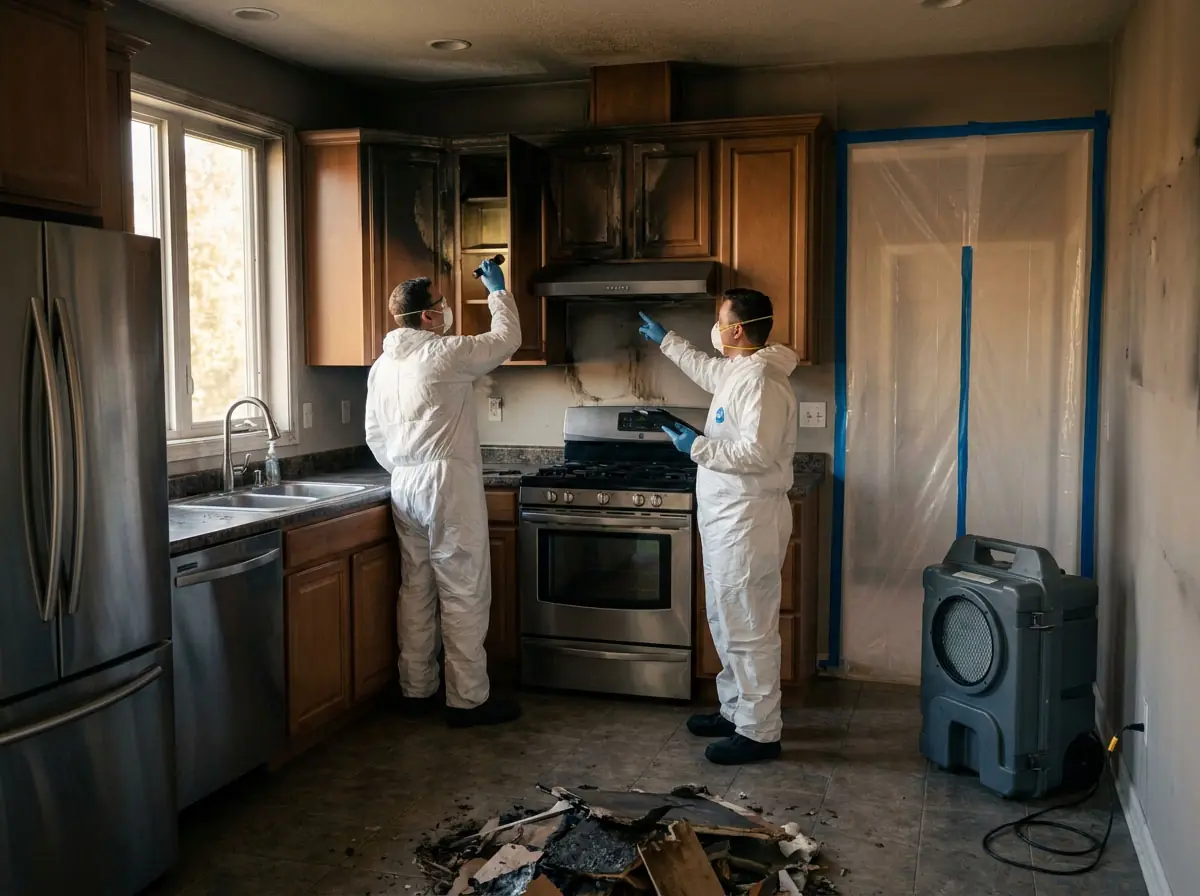
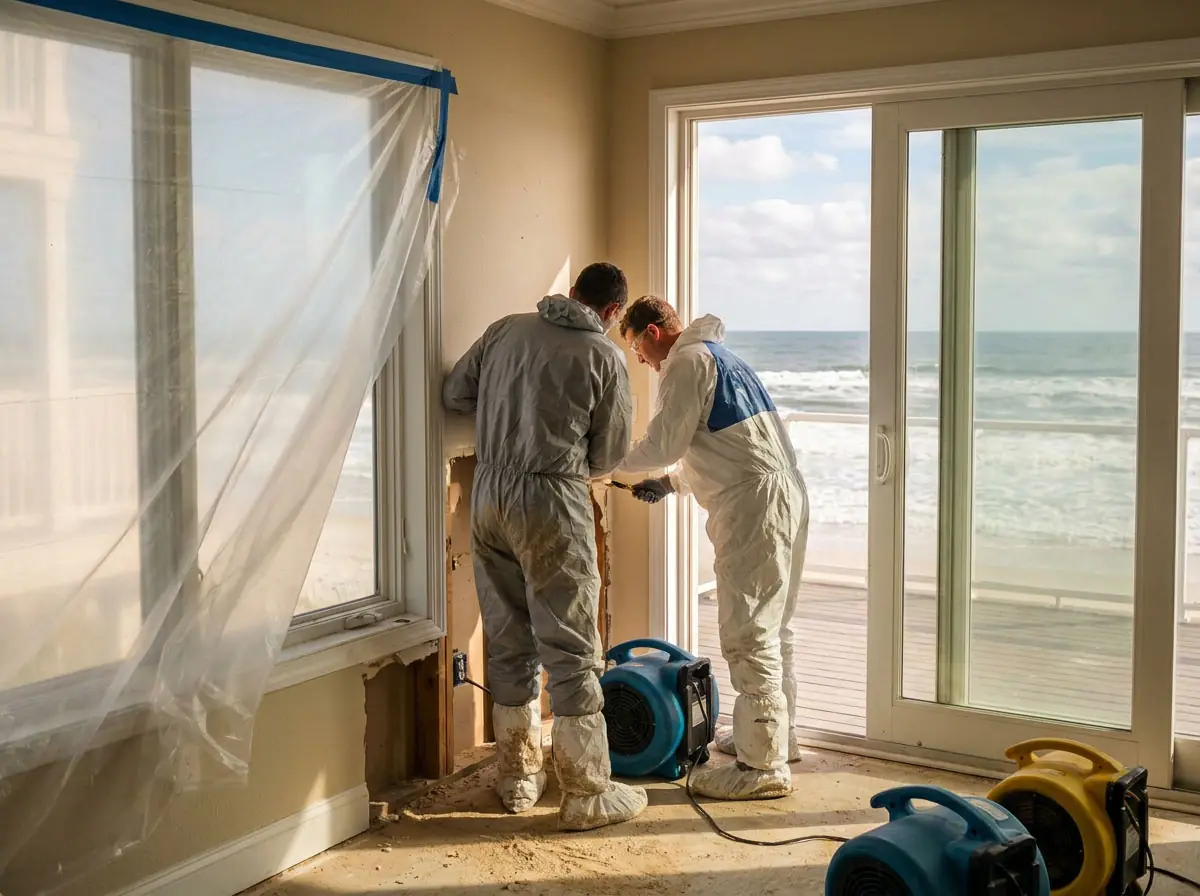


⚡ TL;DR: Learn about smoke damage repair in Tampa: replace porous surfaces and fabrics that trap toxins, while restoring hard surfaces and metals with effective cleaning methods.
📋 What You’ll Learn
In this Tampa smoke damage repair guide, you’ll uncover which items demand replacement versus restoration, key inspection steps, effective cleaning techniques, and real-world Tampa recovery insights to safeguard your home.
- Understand smoke residue behavior and why porous materials like drywall and fabrics absorb it permanently in Tampa’s humid climate, necessitating full replacement for safety.
- Master home inspection essentials to spot irreparable damage early, preventing hidden toxins from compromising air quality and structural integrity in local residences.
- Identify must-replace possessions such as upholstery and insulation that harbor dangerous particles, avoiding costly failed cleanings and health hazards post-fire.
- Discover salvageable surfaces like metals and hard floors, plus proven step-by-step restoration methods from Tampa fire recovery case studies for optimal results.
📖 Reading time: 7 min
✍️ Author expertise: Tampa water damage pro with 12+ years of hands-on smoke restoration in local FL homes.
That choking haze of smoke from your Tampa kitchen fire didn't just vanish—it's embedded in your walls, furniture, and even your curtains, turning your home into a toxic trap.
You're staring at the mess, wallet in hand, wondering: do you gut the place or salvage what you can? One wrong call, and you're breathing in cancer-causing particles for months.
We've restored hundreds of Bay Area homes just like yours, and we're spilling the secrets on what must go versus what we can resurrect.
Keep reading to arm yourself with the straight facts and dodge those costly pitfalls.
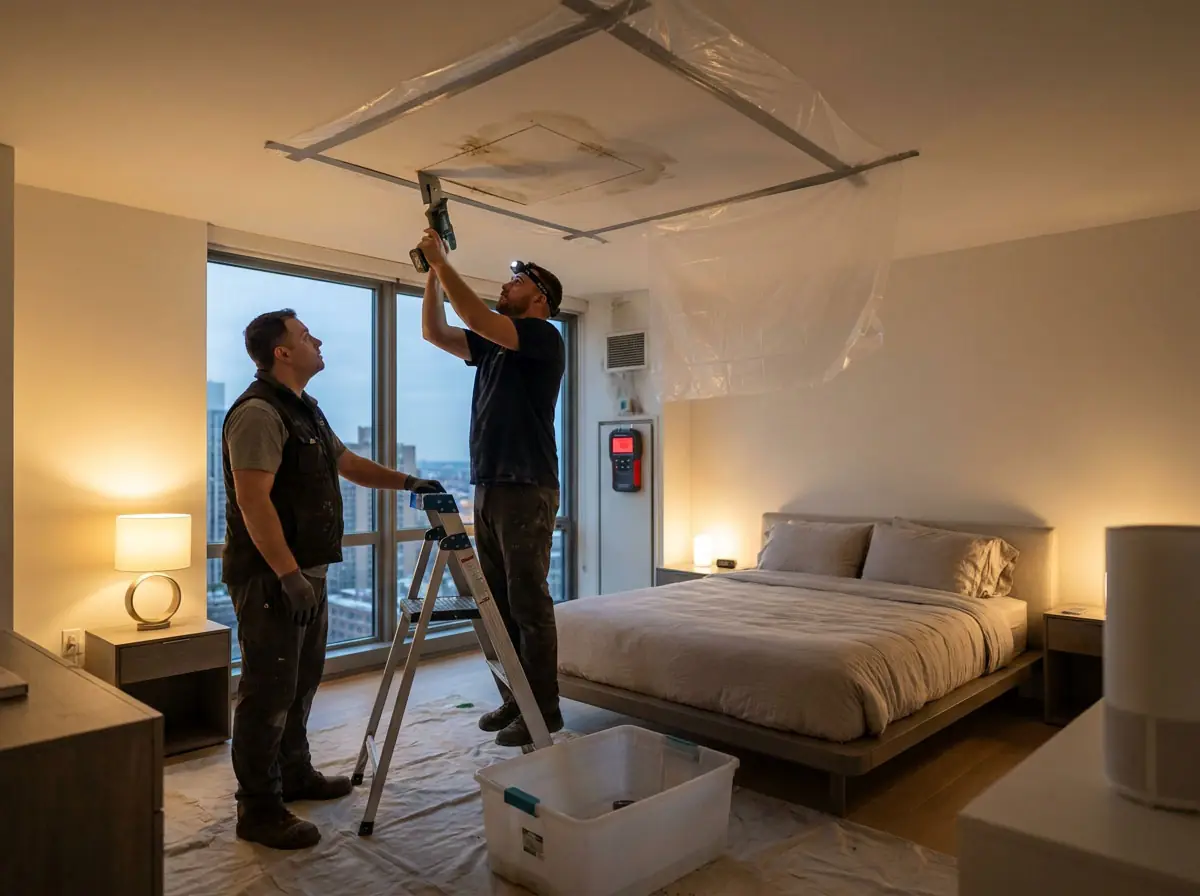
Understanding Smoke Residue: Why Some Materials Absorb It Permanently
Smoke from a fire isn't just soot. It's a nasty mix of tiny particles, sticky oils, and corrosive acids that cling to everything they touch.
These invaders burrow deep into materials. Once inside, they release toxins over time, making your air unhealthy long after the flames die out.
Porous vs. Non-Porous: The Key Difference
Porous stuff acts like a sponge. Drywall, carpet, and upholstery suck in smoke residue, trapping it where cleaners can't reach.
- Drywall and insulation: Soak up acids that etch away at the surface from within.
- Fabrics and foam: Hold onto cancer-linked chemicals like polycyclic aromatic hydrocarbons (PAHs).
- Paper and wood: Discolor and warp as residue bonds chemically.
Non-porous surfaces? Think tile or glass. They let residue sit on top, ready for a good scrub.
Pull out a blacklight after a fire. You'll see the glow on porous items, proof the damage runs deep.
Ignore this, and you're living with a slow poison. Test it yourself: wipe a wall after cleaning. If the cloth turns black again in days, it's time to replace.
The Inspection Process: Spotting Irreparable Damage in Tampa Homes
First thing we do? Walk through your place with eyes wide open. No guesswork. We hit every room, sniffing out that acrid stench like bloodhounds.
Key Signs of Trouble
- Deep yellow-brown stains on walls or ceilings that scream "soot soaked in."
- Fabrics feeling gritty or discolored beyond surface level.
- That lingering smoke smell punching through fresh air—no masking it.
Next, we swab surfaces and run tests. Tools like residue meters and black lights reveal hidden damage your eyes miss. In Tampa's humid air, smoke clings harder, turning minor issues into deal-breakers fast.
If a wall or cushion fails the wipe test—poof, it's toast. We mark it clearly so you see exactly why replacement beats risky cleaning. Skip this step, and you're gambling with your family's health.
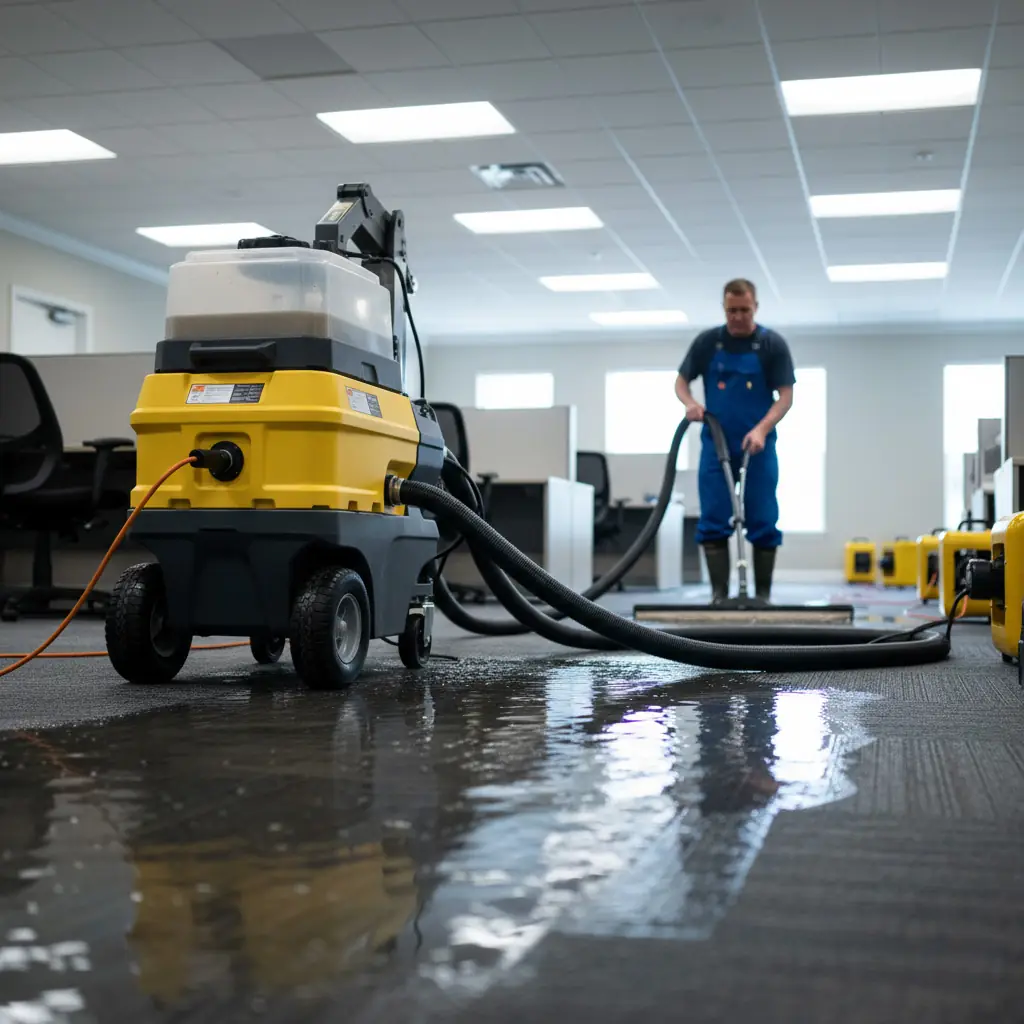
Must-Replace Items: Porous Surfaces and Fabrics That Harbor Toxins
Smoke particles drill deep into porous materials, clinging like glue. No amount of scrubbing blasts them out completely. Toss these to protect your lungs from lingering carcinogens.
Porous Killers You Can't Save
- Carpets and rugs: Fibers trap soot and acids, breeding mold on top.
- Curtains and upholstery: Fabrics soak up odors that return with every breeze.
- Insulation in walls: Hidden pockets release toxins for years if ignored.
- Ceiling tiles and drywall: Crumble under residue, demanding full demo.
- Mattresses and pillows: Sleep on these? You're inhaling fire byproducts nightly.
In Tampa's humid air, these items turn nasty fast. We've seen families cough for weeks after half-measures. Rip them out, replace smart, and breathe easy again.
Salvageable Assets: Hard Surfaces and Metals We Can Restore
Good news hits hard after a fire. Not everything turns toxic trash. Hard surfaces and metals often bounce back fully with the right scrub.
Hard Surfaces That Shine Again
Think tile floors in your Tampa bungalow. Glass windows. Granite counters. Smoke residue sits on top here, not deep inside.
- Porcelain tile: Wipe and seal in one day.
- Stainless steel sinks: Buff to factory gleam.
- Concrete slabs: Power wash blasts it clean.
We hit these with industrial cleaners and ozone generators. No lingering stench. Your home feels fresh fast.
Metals We Polish Back to Life
Chrome fixtures. Aluminum window frames. Copper pipes exposed in the blaze. These shrug off smoke like water off a duck.
Our techs use specialized solvents. Follow with protective coatings. Boom - restored and rust-proof.
Skip the dump fee. Save thousands. These assets pay off big when pros handle them right.
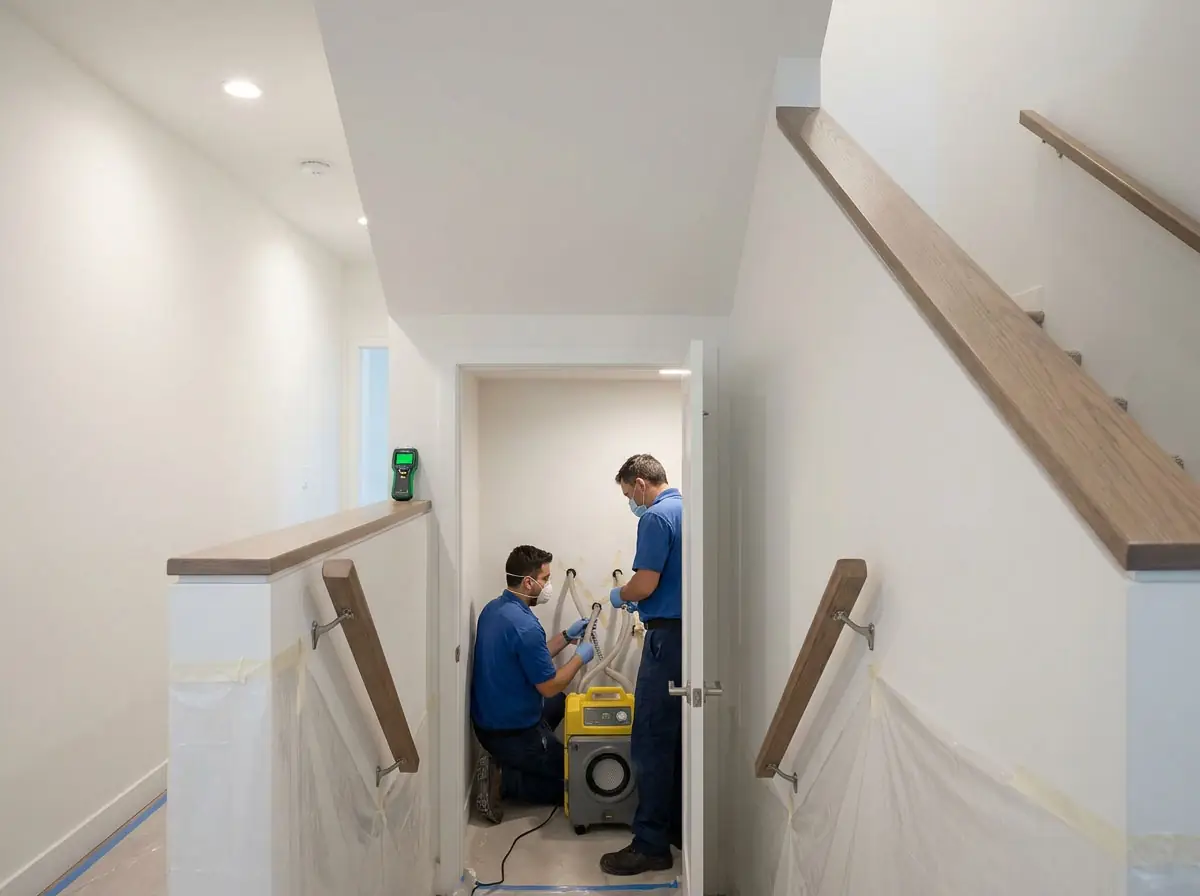
Step-by-Step Cleaning Techniques for Smoke Damage Repair
Grab your gear first. N95 masks, nitrile gloves, and eye protection keep you safe from airborne particles. Skip this, and you're inviting health headaches.
Step 1: Ventilate and Dry Scoop the Soot
Crack every window and door in your Tampa home. Run industrial fans to push out the stench.
- Use a HEPA vacuum on cool setting—no brushes—to suck up loose soot from walls, ceilings, and floors.
- Brush gently with soft tools on fabrics; avoid spreading the mess.
- Bag and trash debris immediately. One puff, and it's back in the air.
Step 2: Hit Hard Surfaces with Targeted Wash
Mix a pro-grade solution: one part dish soap, four parts water, plus a splash of white vinegar for grease-busting power. Test a small spot first.
- Wipe metals and glass with microfiber cloths; rinse and dry fast to kill streaks.
- For cabinets and countertops, scrub in circles, then seal with OdorSeal primer later.
- Steer clear of bleach—it reacts with soot and worsens odors.
Finish with ozone generators for lingering smells. We deploy these in Bay Area jobs to neutralize toxins at the molecular level. Call pros like us for the heavy gear you can't rent.
Case Study: Reviving a South Tampa Family Home After a Kitchen Blaze
Picture this: a busy South Tampa family loses their kitchen to a grease fire one Tuesday night. Thick smoke poured through the open-plan living area, coating everything in that stubborn, oily residue. They called us at 2 a.m., panicked about losing their entire home.
Our crew arrived fast. Inspection revealed the horror: porous cabinets and drywall soaked up toxins beyond saving, while granite counters and stainless steel appliances held promise. We mapped it out quick—no guesswork.
- Replaced: Kitchen cabinets, drywall, and upholstered furniture—too contaminated.
- Salvaged: Hardwood floors (sanded and sealed), metal fixtures (ozone treated), and leather sofas (deep cleaned).
We hit it with our proven steps: ozone neutralization first to kill odors at the source. Then, aggressive scrubbing on salvageables using specialized solvents. In three days, they moved back into a fresh, safe home—saved over $40K by not gutting everything.
Final Words
Smoke damage isn't something you guess at. Call in pros who've handled Tampa's worst blazes. One missed spot, and you're back to square one.
We've laid it out: toss the porous stuff, save the hard surfaces. But the real win? Acting fast cuts your costs in half.
- Spot residue early with a pro inspection.
- Skip DIY disasters—toxins don't play nice.
- Check our full guide on Smoke Damage Repair for more Tampa-specific tips.
Grab your phone now. Dial us before that smell turns into a nightmare. Your home deserves the fix that lasts.
People Also Ask
Does smoke damage require replacing drywall in Tampa homes?
Yes, drywall often needs replacement if smoke residue has penetrated deeply, as it's highly porous and can harbor odors and toxins permanently. In Tampa's humid climate, incomplete cleaning can lead to mold growth on compromised drywall. Our experts inspect for soot penetration to determine if restoration or full replacement is best.
Can carpets and upholstery be salvaged after smoke damage?
Porous fabrics like carpets and upholstery usually require replacement due to their ability to absorb smoke particles and chemicals that cleaning can't fully remove. Professional testing in Tampa reveals hidden contaminants that cause lingering smells. Opt for replacement to ensure a safe, odor-free home environment.
What hard surfaces don't need replacing after smoke damage?
Non-porous hard surfaces such as tile, glass, and sealed countertops can typically be restored through specialized cleaning without replacement. Metals like appliances and fixtures are also salvageable with proper techniques that remove soot without damage. In Tampa, our team uses advanced methods to revive these items efficiently.
How do professionals determine what to replace in smoke damage repair?
Experts conduct a thorough inspection using ATP testing, moisture meters, and odor detection to identify irreparable absorption in porous materials. In Tampa homes, we prioritize safety by checking for toxic residues that cleaning can't eliminate. This data-driven approach saves money by restoring what's possible while replacing only the necessary items.
Is HVAC system replacement always needed after a fire in Tampa?
Not always, but ducts often need cleaning or replacement if soot has contaminated the system, spreading odors and particles throughout the home. Tampa's high humidity exacerbates HVAC issues post-fire, requiring professional evaluation. We use HEPA filtration and scoping to assess and restore or replace as needed.
Bob Carlton is a fire, water, and mold cleaning specialist with over 15 years of experience serving residential and commercial buildings in Tampa, FL. He focuses on water damage restoration and mold remediation tailored to the local climate and properties. Based in Tampa, Bob provides specialized services to help homeowners and businesses address restoration needs.
Need Water Damage?
Quick water damage restoration in Tampa, FL and nearby areas (33602, 33606, 33607, 33609, 33611), delivering dry, safe properties with minimal downtime.
Get Estimate Now