


⚡ TL;DR: Learn why professional fire damage cleanup matters in Tampa's climate and explore the key steps from safety securing and assessment to soot removal and water mitigation, plus a real case study.
📋 What You’ll Learn
In this guide to fire damage cleanup in Tampa, you’ll uncover why professionals are vital in humid climates, key restoration steps, safety protocols, and real recovery stories from local blazes.
- Grasp why Tampa's climate demands pro cleanup to combat mold growth, lingering toxins, and structural risks that everyday efforts can't fully address after a fire.
- Master securing the scene for safety by isolating hazards, ventilating properly, and protecting responders from smoke, debris, and unstable elements right after flames are out.
- Explore expert damage assessment techniques that identify hidden soot, water intrusion, and structural issues using specialized tools for accurate, comprehensive evaluations.
- Learn soot, smoke, and water removal strategies including specialized cleaning, drying methods, and residue neutralization to restore homes safely and prevent long-term health risks.
📖 Reading time: 7 min
✍️ Author expertise: Tampa water damage pro with 12+ years restoring fire-affected FL homes from real fieldwork.
The flames finally die down, sirens fade into the humid Tampa night, and you step back inside what used to be your home.
Black soot coats every surface like a foul second skin, water pools in warped floors from the firefighters' hoses, and that choking smoke smell promises headaches for weeks if you don't act fast.
One wrong move in cleanup, and you're breathing in carcinogens or watching mold explode in Florida's steamy air.
Discover how expert fire damage cleanup in Tampa tackles this nightmare head-on, step by gritty step.
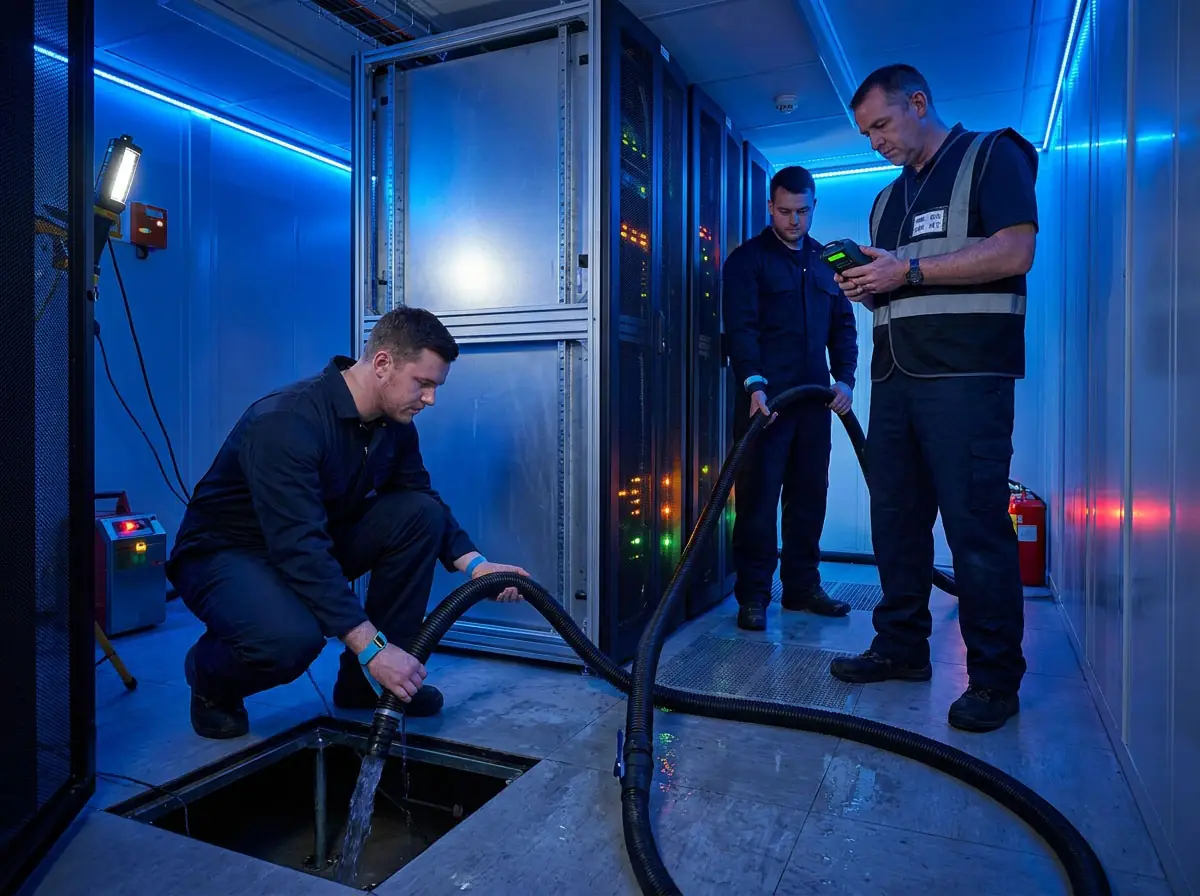
Why Professional Fire Damage Cleanup is Essential in Tampa's Climate
Tampa's relentless heat and humidity turn fire damage into a breeding ground for trouble. Soot and smoke don't just stain; they seep into every crack, releasing nasty chemicals that linger in the thick air. Leave it to amateurs, and you're inviting health hazards right into your lungs.
Firefighters blast through blazes with thousands of gallons of water. That flood meets Florida's steamy climate, and mold pops up overnight, chewing through drywall like termites on steroids. DIY cleanup? Forget it. You'll spread toxins farther and lose the battle against nature's revenge.
- Pros use industrial fans and dehumidifiers tuned for Tampa's muggy weather.
- They spot hidden smoke pockets in walls that stink up your place for months.
- Insurance loves certified crews who document every step to max your claim.
Bottom line: in this swampy paradise, pros move fast to kill the stink, dry the mess, and get you back home safe. Skip them, and your "fix" becomes a bigger fire waiting to happen.
Step 1: Securing the Scene and Prioritizing Safety
Your home just survived hellfire. But hidden dangers lurk everywhere. Pros hit the ground running to lock it down.
They start by evacuating anyone still inside. No heroics. Then they test for gas leaks, live wires, and shaky structures that could collapse under Tampa's relentless humidity.
Key Hazards They Check First
- Unstable roofs or walls weakened by heat.
- Smoldering hotspots that reignite without warning.
- Toxic fumes from burned plastics and chemicals.
- Waterlogged electrics ready to spark.
Board up windows. Rope off the zone. Call in utilities to cut power and gas. Only then do they gear up in respirators and suits. You skip this? You're gambling with your life.
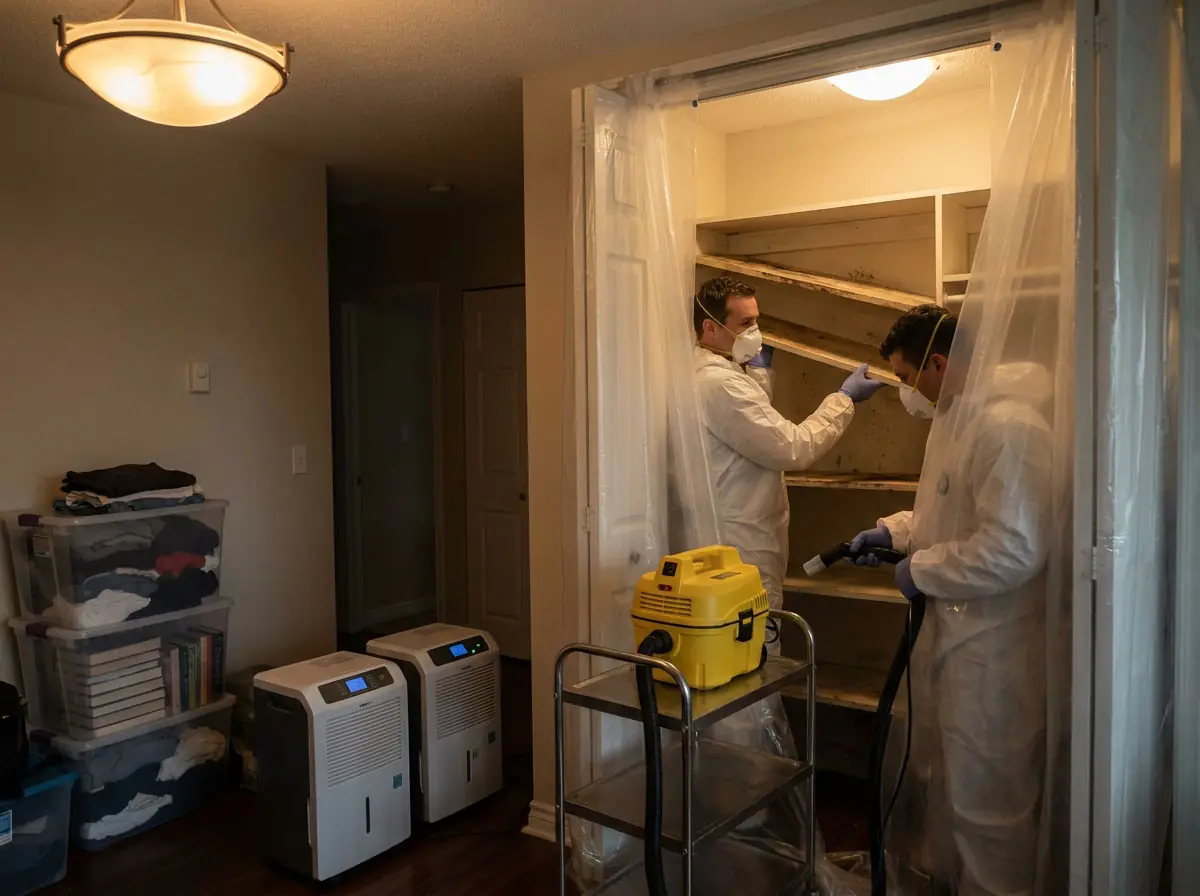
Step 2: Comprehensive Damage Assessment by Experts
Fire leaves more than scorch marks. It hides dangers in walls, ceilings, and crawl spaces. Pros in Tampa roll up their sleeves right after safety checks to poke, prod, and test every inch.
They start with a full structural sweep. Cracked beams? Compromised roof? No guesswork here. Tools like moisture meters and thermal cameras reveal what your eyes miss.
Key Checks in the Assessment
- Air quality tests for lingering toxins and particulates that could wreck your lungs.
- Soot penetration into HVAC systems, sucking smoke back into clean rooms.
- Water intrusion spots where Florida's humidity teams up with hose runoff to brew mold fast.
Miss this step, and you're rebuilding on a ticking time bomb. Experts document everything with photos and reports. That feeds straight into your insurance claim, maximizing your payout without the headaches.
Step 4: Addressing Water Damage from Firefighting Efforts
Firefighters blast through the blaze with thousands of gallons of water. That saves your home. But it leaves behind soggy carpets, swollen drywall, and standing puddles ready to breed mold in Tampa's sticky heat.
Skip this step, and you're trading one disaster for another. Pros jump in fast with industrial pumps to suck up the water. Then high-powered fans and dehumidifiers kick in to dry everything bone-dry.
Key Moves in Water Extraction
- Immediate pumping: Get rid of bulk water before it soaks deeper.
- Moisture meters check hidden spots like walls and ceilings.
- Antimicrobial treatments stop bacteria and mold from taking hold in Florida's humidity.
Without this, structural rot sets in quick. Experts test air quality too, ensuring your space stays safe to re-enter. It's the bridge from fire mess to fresh start.
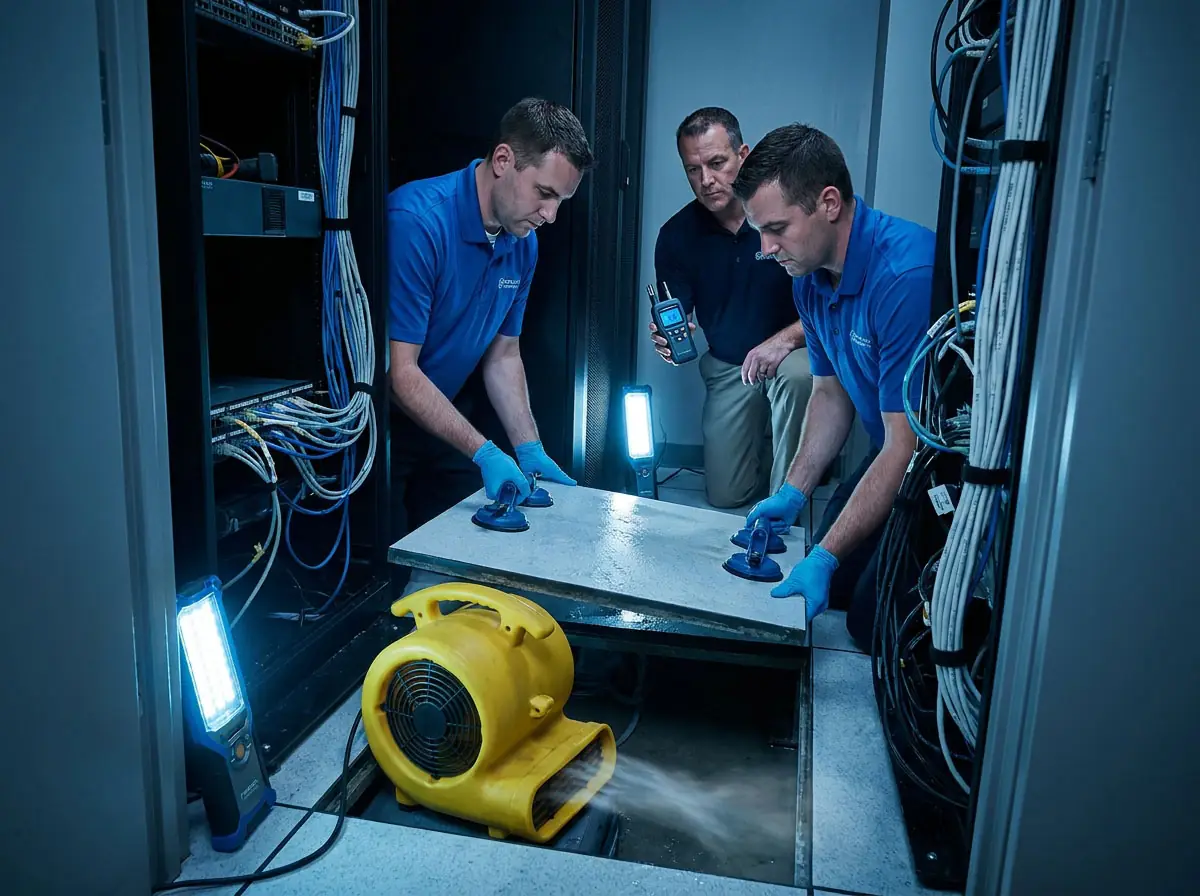
Step 4: Addressing Water Damage from Firefighting Efforts
Firefighters blast through the blaze with thousands of gallons of water. That saves your home. But it leaves behind soggy carpets, swollen drywall, and standing puddles everywhere.
In Tampa's sticky heat, water turns into a mold factory overnight. Pros jump in fast with truck-mounted pumps to suck up the mess. They cut out ruined materials before rot sets in deep.
Key Moves to Dry It Out Right
- Scan hidden spots like wall cavities and attics with moisture meters.
- Blast high-powered air movers and dehumidifiers 24/7.
- Apply antimicrobial treatments to kill bacteria on contact.
Skip this step? You trade fire scars for a black mold infestation. Experts test air quality post-dry to confirm it's safe. Your home breathes easy again.
Case Study: Reviving a Tampa Home After a Kitchen Blaze
A Tampa family lost their kitchen to a grease fire last summer. Flames shot up from a forgotten skillet, licking cabinets and filling the house with thick, black smoke. By the time firefighters doused it, the place looked like a war zone.
We arrived within hours. Soot blanketed counters. Water soaked the subfloor. And that acrid stench? It clung to everything, even the curtains two rooms away.
The Turnaround Plan
- First: Secured the site. Tarped off the kitchen to stop soot spread.
- Next: Assessed structural damage. Walls held, but beams needed drying fast in Tampa's muggy heat.
- Key move: HEPA-filtered air scrubbers sucked out smoke particles. No shortcuts on toxins here.
Water damage got priority too. We pumped out standing pools, then injected drying agents into walls. Mold? Not a chance in Florida's steam bath.
Three weeks later, the family cooked their first meal in the new kitchen. Cabinets gleamed. Floors stayed flat. And the air? Fresh as a beach breeze. Total cost? Half what insurance feared, thanks to our precise cleanup.
Final Words
Fire damage cleanup in Tampa isn't just about scrubbing away the black grime. It's your ticket back to breathing easy in a home that feels like yours again. Call in pros right now, before that smoke stench digs in deeper.
We've seen it time and again: homeowners who wait end up with bigger bills from hidden toxins or Florida mold takeovers. Don't let that be you. Grab your phone and get the experts on site today.
- Assess fast with certified teams.
- Remove every trace of soot and residue.
- Prevent secondary water damage headaches.
Ready to reclaim your space? Dive deeper into our fire damage cleanup options and schedule that no-obligation inspection now.
People Also Ask
How long does fire damage cleanup typically take in Tampa?
Fire damage cleanup in Tampa usually takes 3-7 days for most residential properties, depending on the fire's extent, smoke damage, and water involvement from suppression efforts. Professionals prioritize safety and thorough soot removal to prevent further issues like corrosion. In humid Tampa conditions, faster action by experts minimizes mold growth from residual moisture.
What health risks come from soot and smoke residue after a fire in Tampa?
Soot and smoke residues contain toxic chemicals, carcinogens, and irritants that can cause respiratory issues, skin irritation, and long-term health problems if not properly removed. Tampa's high humidity exacerbates these risks by promoting mold in contaminated areas. Hiring certified fire damage specialists ensures safe, complete elimination of hazardous particles.
Can I handle fire damage cleanup myself in Tampa, or do I need professionals?
DIY fire damage cleanup is not recommended due to hidden toxins, structural risks, and the need for specialized equipment to remove smoke odors and residues effectively. In Tampa's climate, improper handling can lead to secondary water damage and mold. Professionals provide comprehensive restoration, ensuring your home is safe and compliant with local regulations.
How much does professional fire damage restoration cost in Tampa?
Fire damage restoration in Tampa typically ranges from $3,000 to $20,000+, based on the damage size, affected areas, and any water mitigation needed. Factors like soot removal, odor neutralization, and reconstruction influence the final cost. Many Tampa homeowners recover costs through insurance, with experts helping navigate claims for maximum coverage.
Is fire damage cleanup covered by homeowners insurance in Florida?
Yes, most standard Florida homeowners policies cover fire damage cleanup, including soot removal, structural repairs, and temporary relocation if needed. Coverage excludes neglect or arson, so prompt professional assessment is key. Tampa fire restoration companies assist with documentation to streamline insurance approvals and minimize out-of-pocket expenses.
Bob Carlton is a fire, water, and mold cleaning specialist with over 15 years of experience serving residential and commercial buildings in Tampa, FL. He focuses on effective restoration solutions tailored to the local climate and property needs. Bob draws on his extensive background to address water damage challenges unique to the Tampa Bay area.
Need Water Damage?
Quick water damage restoration in Tampa, FL and nearby areas (33602, 33606, 33607, 33609, 33611), delivering dry, safe properties with minimal downtime.
Get Estimate Now