
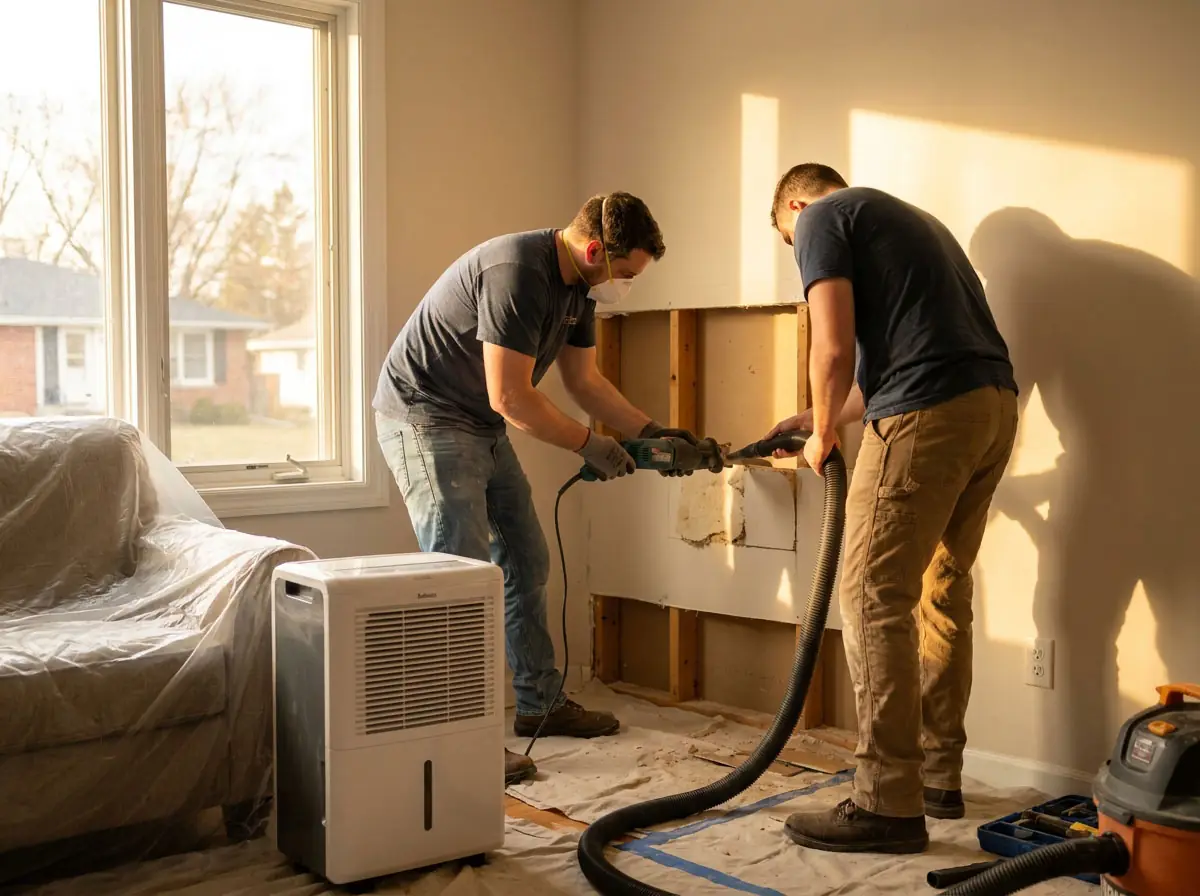
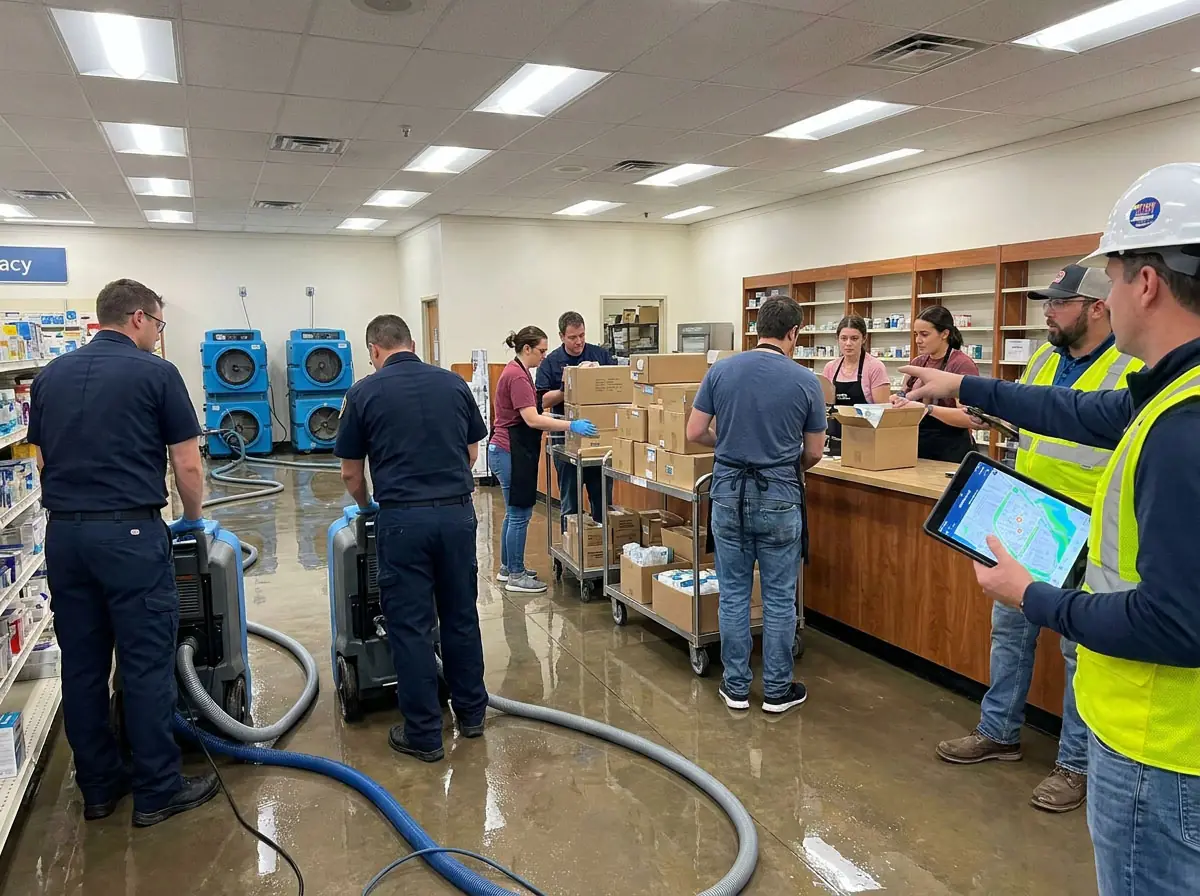


⚡ TL;DR: Learn key steps for emergency flood cleanup in Tampa, FL: prioritize safety, stop water sources, assess damage, remove standing water, and call pros in the first hour.
📋 What You’ll Learn
In this guide to emergency flood cleanup in Tampa, you'll learn vital first-hour actions to secure safety, halt water flow, assess damage, remove standing water, and salvage valuables before pros arrive.
- Prioritize safety immediately by evacuating the area, shutting off power, avoiding electrical hazards, and checking for structural risks to protect yourself and family during Tampa floods.
- Stop water at the source using shut-off valves, pumps, or tarps to prevent further intrusion and limit widespread damage in your home's first critical minutes.
- Conduct a quick damage assessment inspecting walls, floors, appliances, and valuables for severity, helping you prioritize tasks and document losses for insurance in Tampa's humid climate.
- Remove standing water fast with wet vacs, buckets, towels, or fans to dry surfaces rapidly, reducing mold risk and structural harm before professional restoration teams reach you.
- Salvage key belongings wisely by elevating items, wiping down surfaces, and air-drying electronics to save irreplaceable possessions amid Tampa's frequent heavy rain emergencies.
📖 Reading time: 7 min
✍️ Author expertise: Tampa water damage pro with 12+ years of hands-on flood response in local homes.
Your Tampa home is suddenly a swimming pool. Rain hammers the roof during one of those brutal summer storms, and before you can grab a towel, brown water surges through the front door, soaking carpets, ruining furniture, and threatening your walls.
That first hour? It's make-or-break. Screw it up, and mold takes hold, costs skyrocket, and your place turns into a biohazard zone faster than you can say "insurance claim."
But get it right, and you slash the damage big time. Here's the no-BS playbook for emergency flood cleanup in Tampa—starting right now.
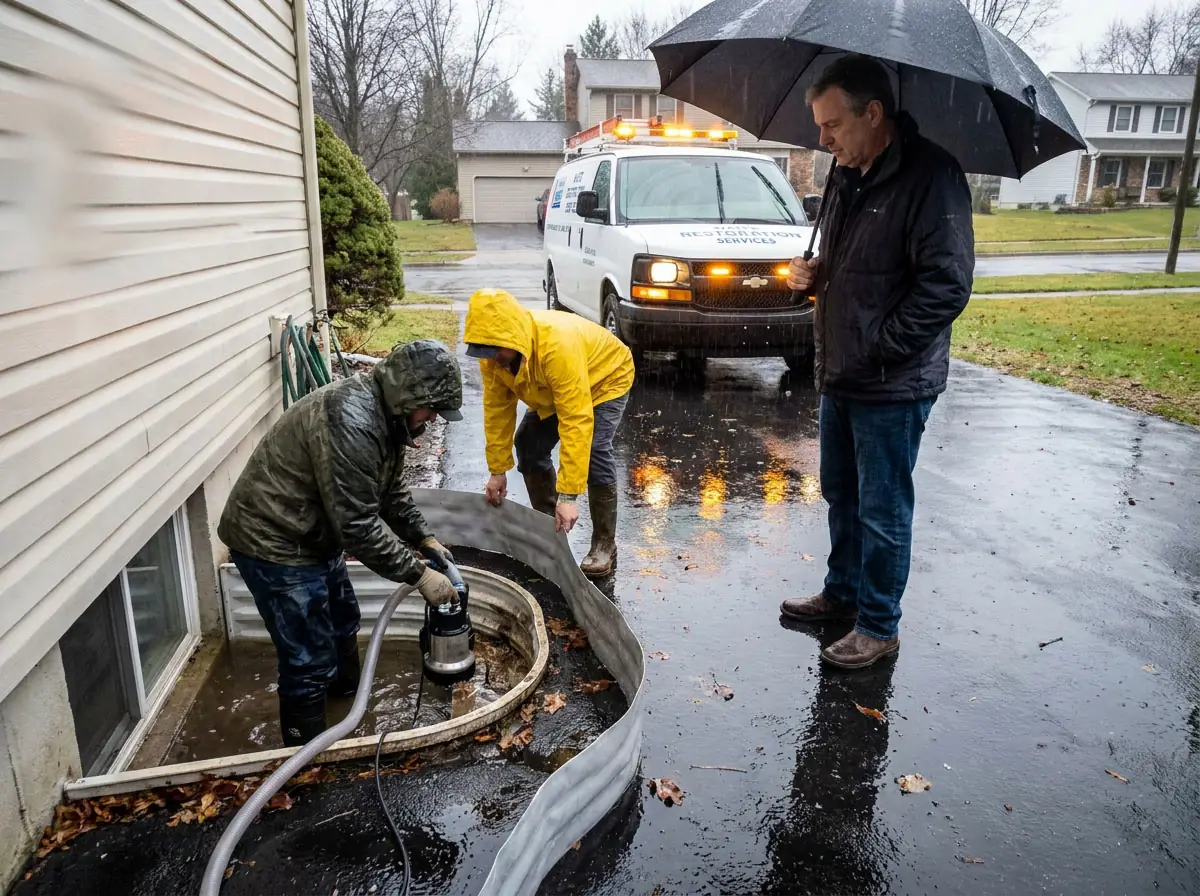
Ensure Safety First: Evacuate, Power Down, and Avoid Hazards
Floodwater hits fast in Tampa. Your first move? Get out. No heroics.
Grab family, pets, and bolt to dry ground. That murky water hides nails, glass, and worse. One wrong step, and you're in the ER.
Key Safety Checks
- Power down everything. Flip the main breaker outside. Wet electricity sparks fires or shocks.
- Skip the sump pump if power's out. It could fry or flood worse.
- Steer clear of downed lines. Tampa storms drop them everywhere. Touch one? Game over.
Wear rubber boots and gloves if you must peek inside. But honestly, pros handle this. Your job: stay alive.
Stop the Water at Its Source Immediately
Water's pouring in. Your first move? Hunt down the source and kill it dead. Every second counts here in Tampa's humid hell—delay, and you're drowning in dollars.
Burst Pipe or Appliance Leak?
Grab a flashlight. Head straight to your main water shutoff valve—usually in the garage, basement, or outside near the meter. Twist it clockwise. Now.
- Slab homes: Check the water heater closet or front yard box.
- Appliances like washers: Unplug and shut their individual valves first.
- No valve? Call us—we'll guide you over the phone while racing over.
Storm surge or overflow? Block doors with towels or sandbags if safe. But don't play hero—evacuate if water's rising fast. Pros handle the rest.
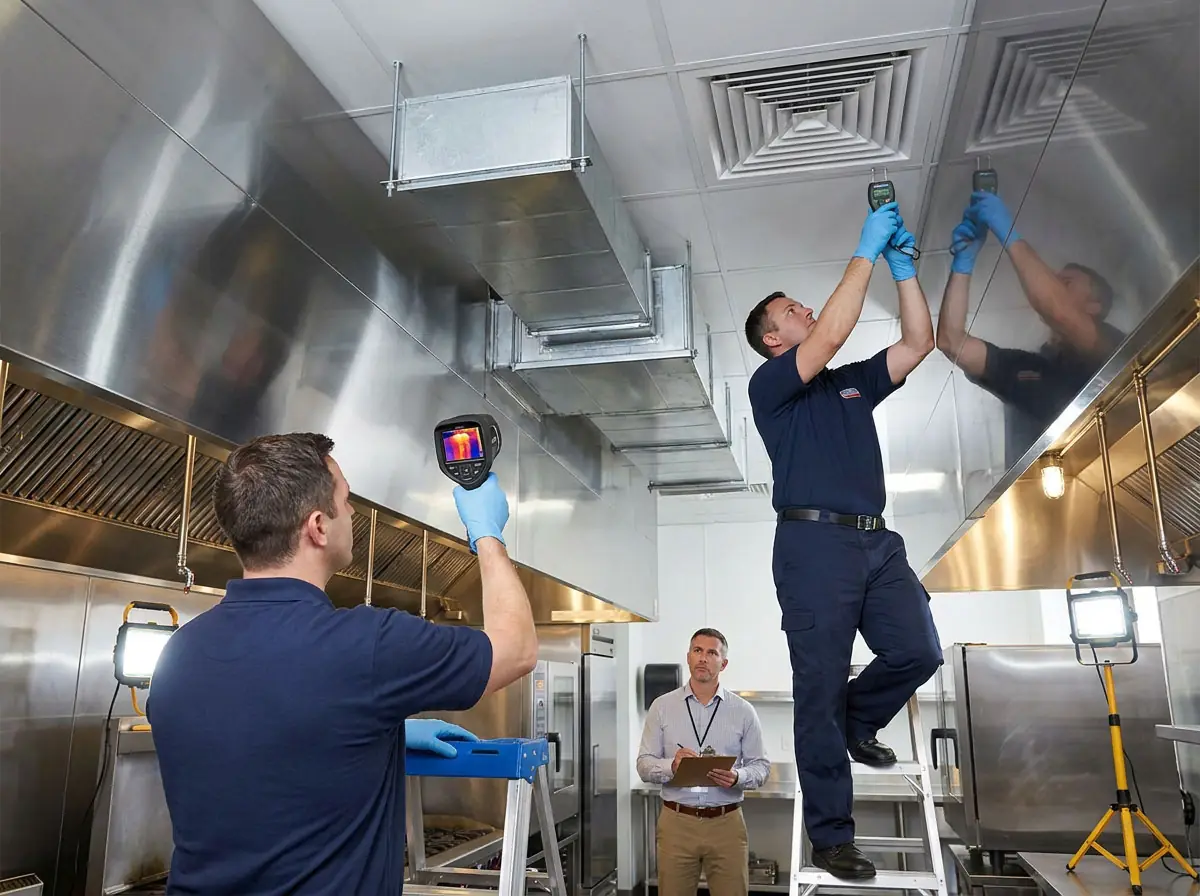
Quick Damage Assessment: What to Check in Minutes
Grab your phone. Snap photos of every soaked spot before you touch a thing. Insurance companies demand proof, and this buys you time later.
Now scan like a hawk. Hit the big three first: structure, power, and valuables. Miss this, and you're blind to the real threats.
Structure Check: Spot the Weak Points
- Walls buckling or bulging? Waterlogged drywall sags fast—mark it for demo.
- Floors spongy underfoot? Step light; hidden rot could cave in.
- Ceilings dripping or stained? Poke gently. If it gives, evacuate now.
Electrical next. No flipping breakers if water's near outlets. Wet wiring sparks fires—call it in if you smell ozone.
Valuables triage: yank papers, photos, electronics to high ground. Dry 'em quick with fans if possible. This 60-second sweep saves thousands.
Remove Standing Water Fast: DIY Tools and Tactics
Standing water is enemy number one. It soaks into everything, breeding mold and rot. Hit it hard and fast with what you've got on hand.
Tools You Probably Already Own
- Shop vac or wet/dry vacuum: Sucks up gallons quick. Empty it outside every few minutes.
- Buckets and mops: Bail like your life depends on it. Team up with family for speed.
- Old towels and rags: Blot carpets and sop up puddles. Wring 'em out windows.
No fancy gear? Improvise. Use a pool skimmer or even trash cans as pumps. Every drop out cuts your repair bill.
Work from the edges in. Prop up furniture on blocks. Skip the subfloor for now; pros handle that. Speed beats perfection here.
Salvage What You Can: Prioritizing Belongings and Prevention
Water's rising. You can't save everything. Hit the high-value stuff first.
Grab These Before Anything Else
- Electronics: Laptops, TVs, phones. Unplug, wipe down, prop up to dry.
- Photos and papers: Family albums, insurance docs. Pat dry, fan out on tables.
- Clothes and linens: Toss in washer if clean water; bag up wet ones to avoid stink later.
Move it all to dry spots. Elevate furniture on blocks if you can. Skip the soaked couch for now, focus on what pays off.
Block mold's sneak attack. Crack windows for airflow. Run fans full blast. Skip the heat, it traps moisture.
Tampa Case Study: How We Saved a Bayshore Home in Under an Hour
Picture this: Midnight in Bayshore Beautiful. A freak downpour hits, and boom—six inches of murky water floods the first floor of Sarah's 1950s ranch. She grabs her phone, shuts off the main breaker, and calls us while wading to the shutoff valve. Smart move. That bought her precious minutes.
Our Crew Hits the Ground Running
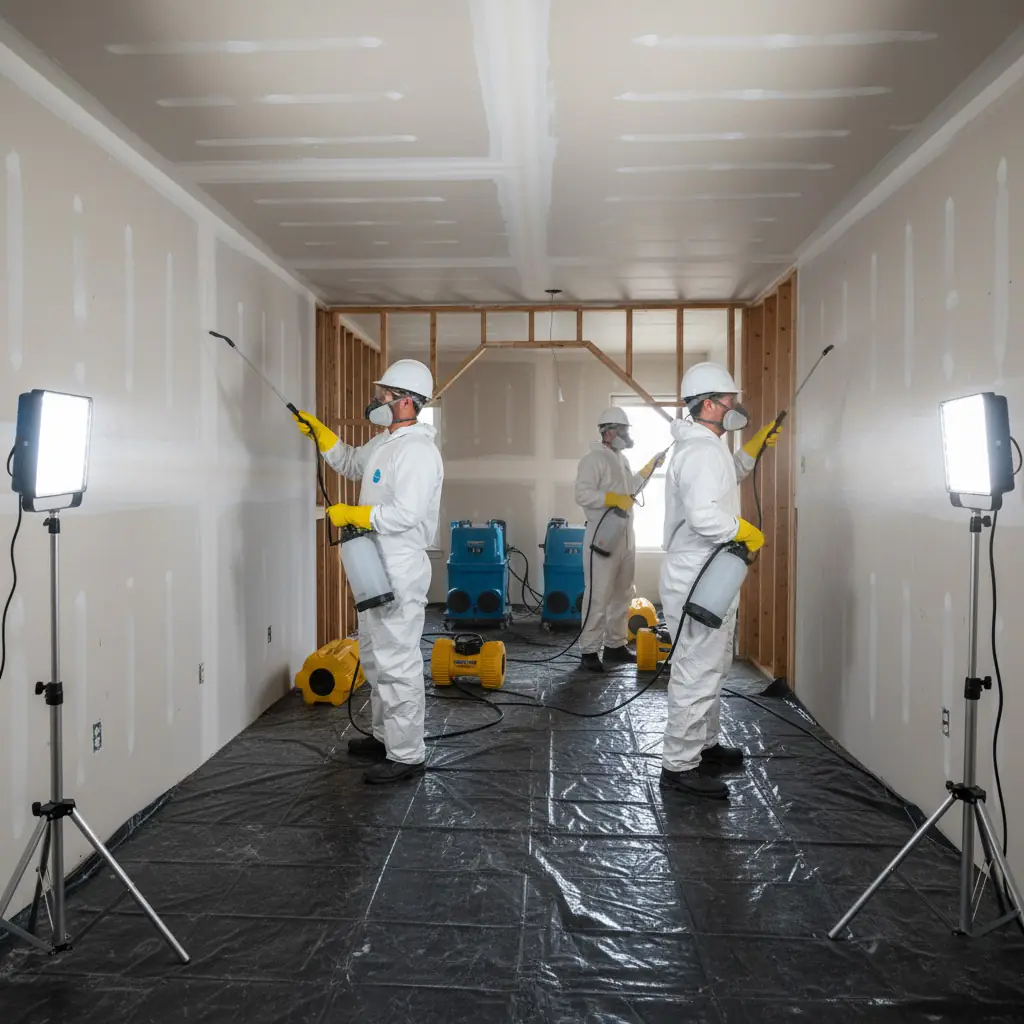
We roll up in 18 minutes flat. First, gas-powered pumps suck out the standing water. Truck-mount extractors hit the carpets next. No messing around.
- Air movers blast every corner dry.
- Antimicrobial spray kills any lurking bacteria.
- Pack-out service hauls wet furniture to our shop for salvage.
Sarah watched in shock as her living room went from swamp to salvageable. Total time on site: 42 minutes.
Outcome? Zero mold growth. Insurance covered 90% because we documented every step with photos and timestamps. Her Bayshore gem stood strong—no gut job needed. Proof that fast action in Tampa's flood chaos pays off huge.
Final Words: Call Tampa Pros Before It's Too Late
Listen up. You've nailed the first hour basics. But standing water breeds mold in 24 hours. Don't gamble.
Grab your phone. Dial local Tampa water damage pros right now. We roll with industrial pumps, dehumidifiers, and teams that hit your door in under 30 minutes.
Why Skip DIY After Hour One?
- No heavy gear? Pros pack truckloads.
- Hidden damage? Our thermal cams spot it fast.
- Insurance headaches? We document everything clean.
Check our Emergency Flood Cleanup page for the full scoop. One call flips disaster to done. Your move.
People Also Ask
What should I do first in a Tampa flood emergency?
Prioritize safety by evacuating the area, turning off power to avoid electrical hazards, and avoiding contact with floodwater which may contain sewage or contaminants. Quickly locate and shut off the main water valve to prevent further influx. Assess visible damage from a safe distance before attempting any cleanup.
Is it safe to walk through floodwater during cleanup?
No, floodwater in Tampa often hides dangers like live wires, sharp debris, or chemicals from storm surges. Even shallow water can sweep you off your feet or expose you to harmful bacteria. Stay out until professionals confirm it's safe and wear protective gear if entry is unavoidable.
How do I shut off my home's water supply quickly?
Locate your main water shut-off valve, typically near the water meter or where the supply enters your home, and turn it clockwise to stop flow. In Tampa rentals, check with your landlord for the exact location. This immediate action prevents extensive damage in the critical first hour.
Can I use a wet vac for flood cleanup in the first hour?
Yes, a wet/dry vacuum is ideal for removing standing water quickly from floors and low areas without spreading contaminants. Empty it frequently outdoors and avoid using on electrical outlets or appliances. For larger floods, combine with towels and buckets, but call Tampa pros for thorough extraction.
When should I call water damage pros in Tampa?
Immediately after stopping the water source and basic safety measures in the first hour, especially if water is deep or widespread. Delaying allows mold growth and structural damage, common in Tampa's humid climate. Local experts arrive 24/7 with industrial pumps to restore your home fast.
Bob Carlton is a fire, water, and mold cleaning specialist with over 15 years of experience serving residential and commercial buildings in Tampa, FL. He focuses on restoration services tailored to the local climate and common property challenges. His expertise supports Tampa-area homeowners and businesses in recovering from water damage.
Need Water Damage?
Quick water damage restoration in Tampa, FL and nearby areas (33602, 33606, 33607, 33609, 33611), delivering dry, safe properties with minimal downtime.
Get Estimate Now