
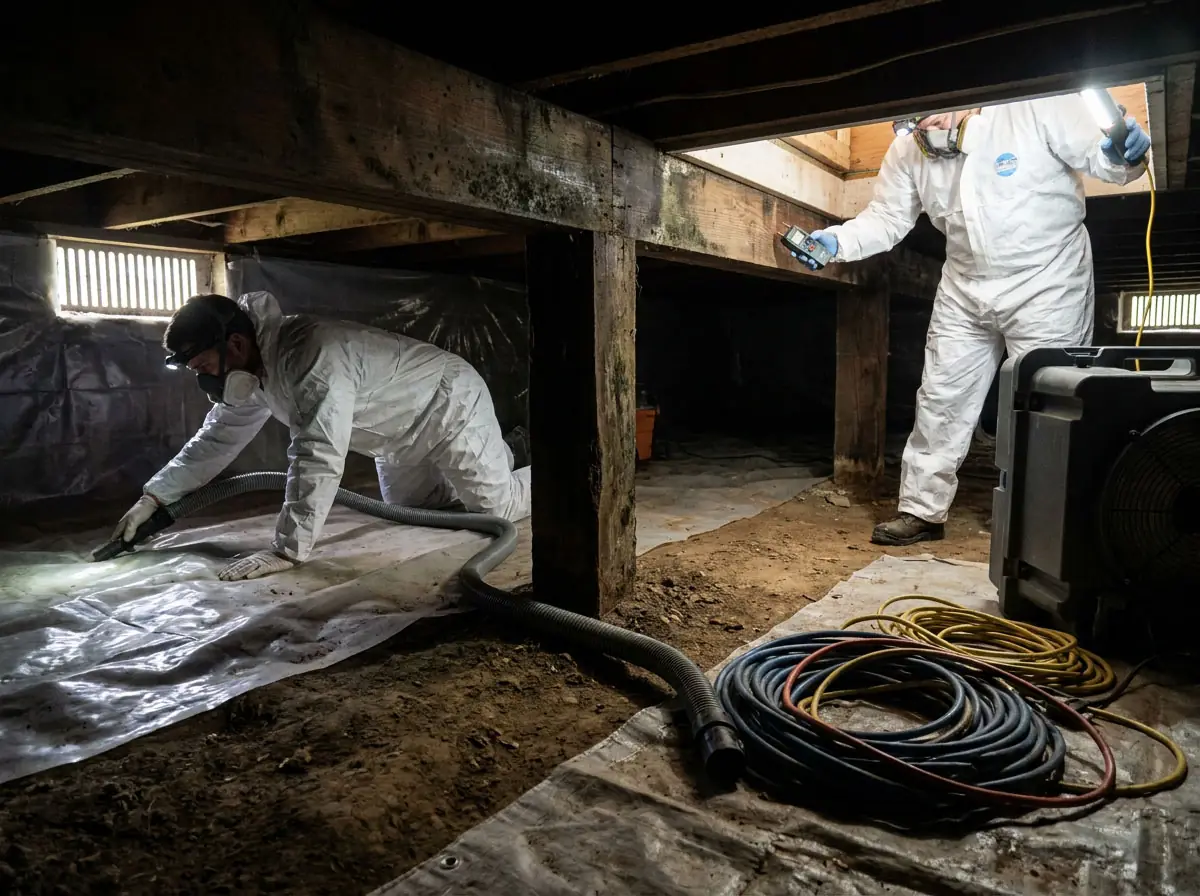
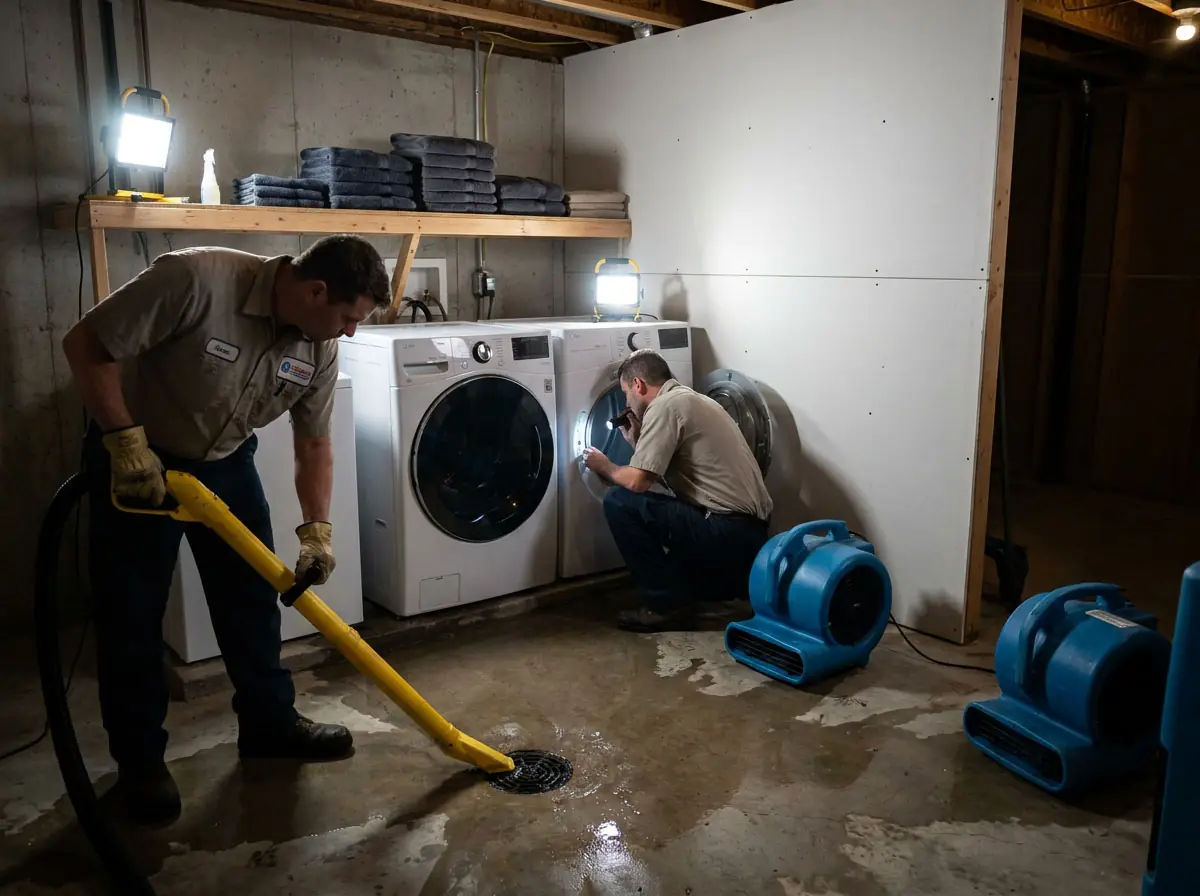


⚡ TL;DR: Learn to assess drywall water damage repair in Tampa, distinguishing restoration for minor issues from full replacement, with steps, costs, and local climate insights.
📋 What You’ll Learn
In this Tampa guide on drywall water damage repair, you'll learn to assess severity, spot restore-vs-replace signs, follow step-by-step processes, and compare costs in humid Florida conditions.
- Assess damage severity levels using Tampa-specific inspection tips to identify mold growth, structural weakness, hidden moisture, and risks from high humidity after leaks or floods.
- Spot telltale signs for restore vs. replace so you can decide wisely on salvaging walls versus full removal, preventing health hazards and future repairs in coastal homes.
- Master the restoration process step-by-step for minor damage, from drying techniques and cutting out affected areas to patching, sanding, and priming for seamless results.
- Understand full replacement when needed including precise cutting, framing checks, new sheetrock installation, taping, and finishing tailored to withstand Tampa's wet climate challenges.
📖 Reading time: 7 min
✍️ Author expertise: Tampa water damage pro with 12+ years of hands-on drywall repair from local floods and storms.
You wake up to the sound of rain pounding your Tampa roof, only to find your living room walls sagging and stained the next morning. That sneaky water leak from a burst pipe or hurricane downpour has turned your drywall into a mushy mess, and now you're staring at a tough call: patch it up or rip it out?
One wrong move, and mold could take over your home faster than a summer storm. As Tampa's go-to water damage pros, we've seen it all, from minor fixes that save thousands to full replacements that prevent bigger headaches down the road.
Stick around to discover the telltale signs that scream "replace now" versus when a smart restoration gets your walls back to perfect without breaking the bank.

Assessing Drywall Damage: Severity Levels and Inspection Tips
First things first. Grab a flashlight, put on gloves, and get up close to that damaged wall. You need to spot the damage level before deciding on restore or replace.
Severity Levels
Minor damage shows as light stains or slight bubbling. Water hasn't soaked deep; it's surface-level only.
- Walls feel firm to the touch.
- No sagging or crumbling edges.
- Mold risk stays low if you act fast.
Moderate damage means deeper saturation. Drywall softens, paint peels, and cracks appear.
- Push gently; it gives way.
- Brownish rings spread wider.
- Humidity spikes nearby.
Severe damage screams replacement. Walls bow, drip water, or collapse when poked.
- Black mold spots emerge.
- Stud exposure from crumbling.
- Foul odors linger.
Quick Inspection Tips for Tampa Homes
Check behind furniture and baseboards. Water hides there, loving Florida's muggy air.
Tap the wall. A hollow thud signals trapped moisture.
Cut a small test hole if unsure. Peek inside for wet insulation or rot. Call pros like us if you see any red flags.
Telltale Signs to Restore vs. Replace Your Tampa Drywall
Spotting the difference early saves you cash and headaches in our steamy Tampa climate. Water hits drywall hard here, thanks to humidity that loves to breed trouble. Look close, and you'll know if a quick fix works or if it's demo time.
Green Light for Restoration: Minor Damage Only
These signs mean you can likely restore without ripping out the whole sheet.
- Surface stains that wipe clean after drying. No bubbling or peeling paint underneath.
- Slight softening in a small area, less than 10% of the wall, that firms up fast with fans and dehumidifiers.
- No musty odors or black spots. Fresh water exposure under 48 hours.
Red Flag for Replacement: Walk Away from Repairs
Push for a full swap if you see these killers. Tampa's mold thrives quick, and half-measures lead to comebacks.
- Crumbling edges or sagging sections over 12 inches wide. Structural weakness screams danger.
- Visible mold patches, even tiny ones. Porous drywall soaks it deep.
- Water marks from multiple sides or soaked through. Hidden saturation means rot inside.
Grab your phone for pros if replacement signs pop. DIY guesses cost more later.
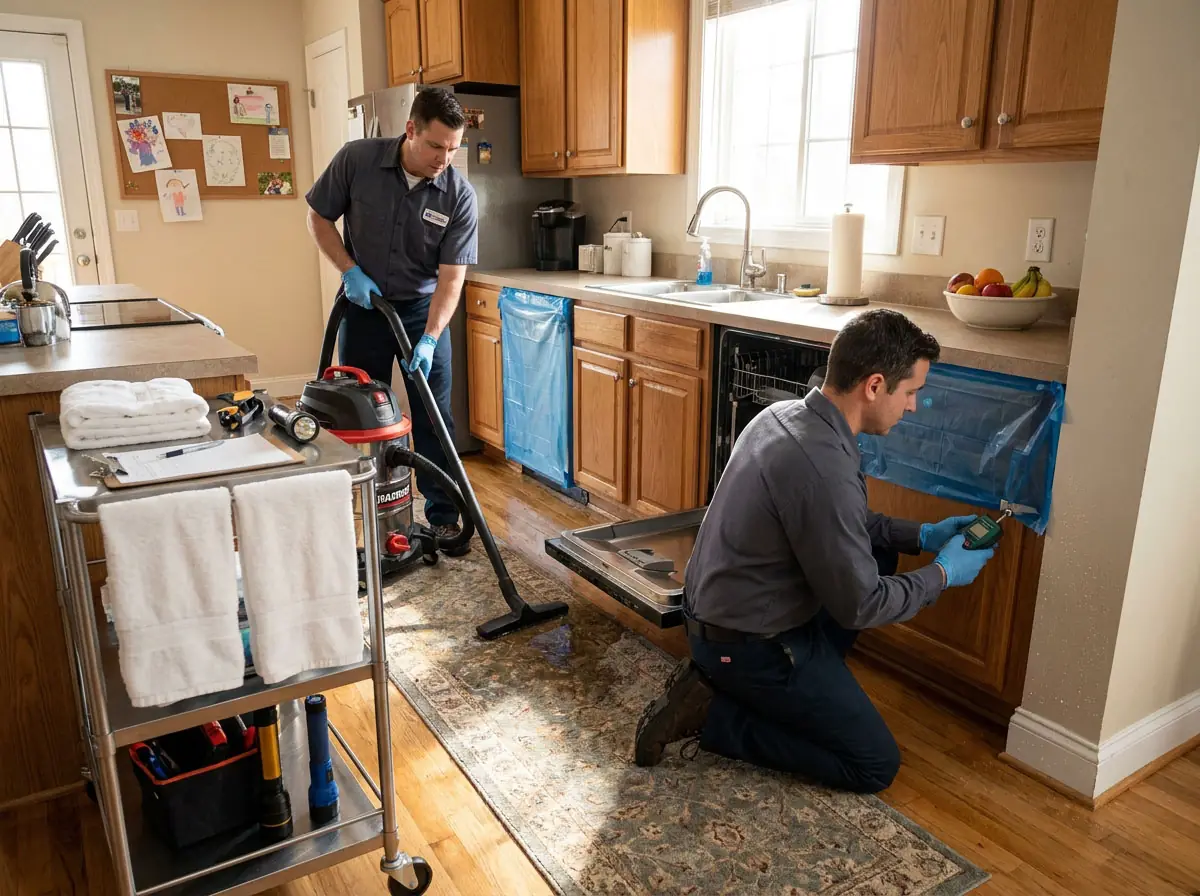
The Drywall Restoration Process: Step-by-Step for Minor Damage
Got minor water damage? Think small stains or slight bubbling from a quick leak. Restoration shines here, saving you cash and time over a full tear-out.
Quick Assessment First
Start by cutting out the soaked spot. Use a utility knife to square off a section around the damage, about 12 inches wider on all sides. This stops moisture from hiding in the edges.
- Dry thoroughly: Hit it with fans and dehumidifiers for 48-72 hours. Check moisture levels with a meter, aiming under 15%.
- Apply mold killer: Spray a bleach mix or pro-grade antimicrobial. Let it sit, then rinse.
- Patch time: Cut new drywall to fit, screw it in, tape seams with mesh, and mud with joint compound. Three thin layers, sand between each.
Finish strong. Prime the patch, then paint to match. In Tampa's humid air, add a mold-resistant primer for extra armor. Your wall looks factory-fresh, no one spots the fix.
Full Drywall Replacement: When and How It's Done Right
Sometimes restoration just won't cut it. If water has soaked through multiple layers or mold has rooted deep, replacement beats any patch job hands down.
Look for warped panels that won't flatten, crumbling edges, or black spots signaling hidden growth. In Tampa's steamy air, ignoring these invites a mold party you don't want.
Spot the Red Flags for Replacement
- Water saturation over 24-48 hours.
- Soft, disintegrating texture when probed.
- Persistent musty odors despite drying.
- Visible cracks or bowing that flex under pressure.
Step-by-Step Replacement Done Right
We start by killing power and protecting your floors. Cut out the damaged section with a drywall saw, precise and dust-free.
Next, treat studs with antimicrobial spray to stop mold comeback. New drywall goes up, taped, mudded, and sanded smooth over two days max.
Prime and paint to match. Your walls? Back to solid, storm-ready perfection without a trace of the flood.
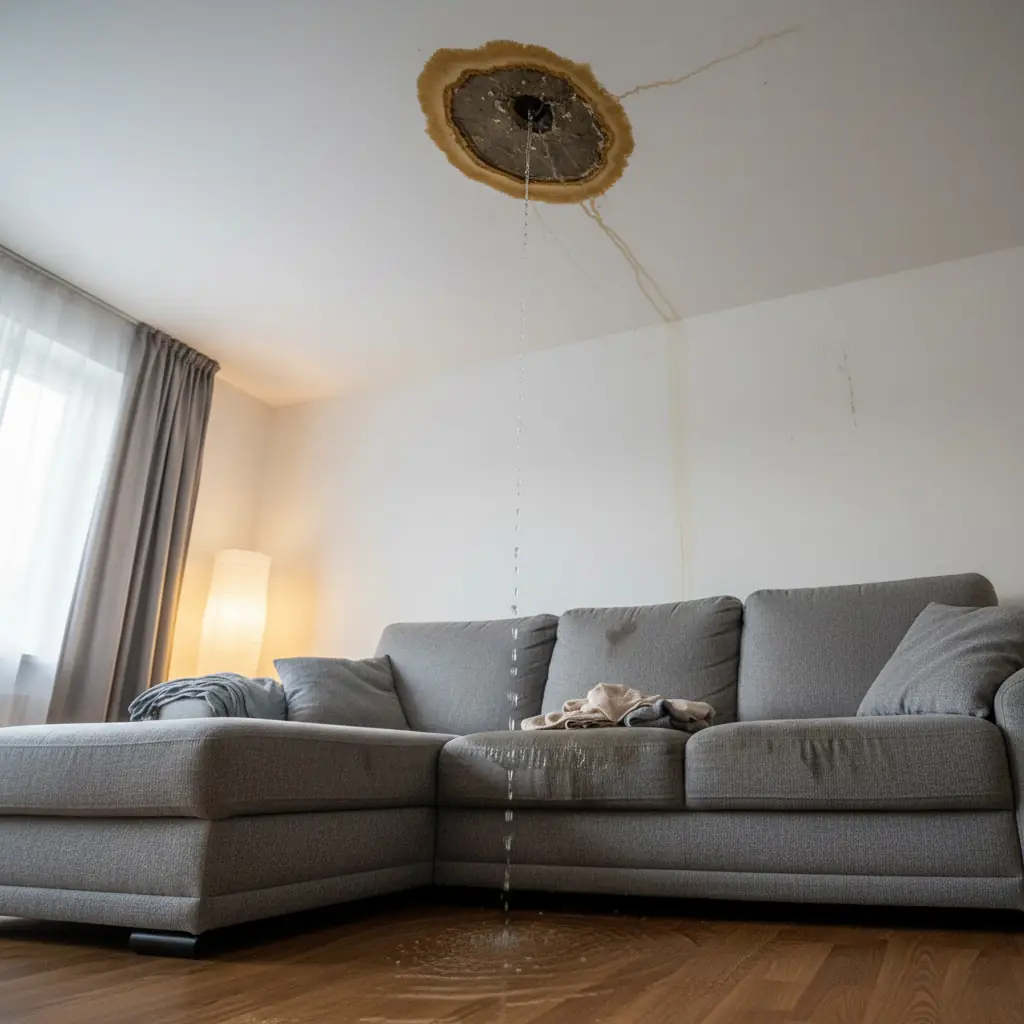
Cost Breakdown: Restore vs. Replace in Tampa's Climate
Tampa's steamy humidity and frequent storms crank up the stakes on water damage costs. Restoration often runs $500 to $2,500 for a standard room, depending on damage spread. But factor in our muggy air, and hidden mold can double that if you skip pro inspection.
Restoration Costs: Quick Fixes That Add Up
- Drying and cleaning: $300-$800. Fans, dehumidifiers run overtime in Florida heat.
- Patching materials: $100-$400. Joint compound, tape, paint match your walls.
- Labor: $200-$1,000. Tampa crews charge premium for fast mold prevention.
Small leaks? You might squeak by under $1,000 total. Bigger saturation demands extras like antimicrobial treatments to fight our tropical funk.
Replacement Costs: The Smart Long-Term Bet
- Demo and disposal: $400-$1,200. Hauling soggy drywall in humid conditions means extra sweat.
- New drywall and install: $600-$2,000. Sheets, mudding, finishing for seamless results.
- Finishing touches: $300-$800. Texture, prime, paint to blend with Tampa's sunny vibes.
Full room swap hits $2,000-$5,000 easy, but it kills mold risks dead. In our storm-prone spot, that peace of mind crushes cheap patches gone wrong.
Case Study: Tampa Home Revival – From Waterlogged Walls to Like-New
Meet the Rodriguez family in South Tampa. After a brutal summer squall punched through their aging roof, water poured into their master bedroom and hallway. Walls bubbled, paint peeled, and a musty smell hit hard by day two.
Our team arrived fast. Inspection revealed Class 2 water damage across 200 square feet – saturated but not fully destroyed. Patches tested positive for early mold growth, so we knew restoration alone wouldn't cut it for the worst spots.
Our Action Plan
- Day 1: Extracted water with industrial pumps. Set up high-powered fans and dehumidifiers to dry everything out.
Cut out ruined sections – about 40% needed full replacement. Treated the rest with antimicrobial spray to kill mold spores. Patched salvageable areas with new compound, sanded smooth, and primed. Installed fresh drywall where we cut, taped, and textured to match.
By week’s end, their walls looked brand new. Total cost? $4,200 – half what a full rip-and-replace would've run in Tampa's humid air. The family slept soundly that night, no more worries about hidden rot.
Final Thoughts
Bottom line? Don't guess on your drywall. A quick inspection tells you if restoration saves cash or if replacement dodges mold nightmares in Tampa's steamy air.
Skip the DIY trap. Our crew spots hidden damage pros miss, turning soggy walls into solid ones fast.
- Grab a free assessment today.
- Beat the humidity clock before black mold crashes the party.
- Check our full guide on Drywall Water Damage Repair for more Tampa tips.
One call, and you're back to dry, safe walls. Water waits for no one in Florida.
People Also Ask
When should you replace water-damaged drywall instead of restoring it in Tampa?
In Tampa's humid climate, replace drywall if damage exceeds 10% saturation, shows mold growth, or structural weakening after water exposure. Restoration works for minor surface issues, but replacement prevents long-term problems like hidden mold. Our Tampa experts inspect using moisture meters to decide accurately.
How do you restore water-damaged drywall?
Restoration starts with water extraction, drying with dehumidifiers and fans, then sanding and patching affected areas. Antimicrobial treatments stop mold in Tampa's moist environment. For best results, hire professionals to ensure complete drying and seamless finish.
What is the average cost to repair water-damaged drywall in Tampa?
Restoring minor drywall water damage in Tampa costs $500-$2,000, while full replacement runs $1,500-$5,000 depending on room size and severity. Factors like mold remediation add to costs in our humid climate. Get a free inspection from local Tampa water damage pros for precise quotes.
How long does it take to repair water-damaged drywall after flooding in Tampa?
Minor restoration takes 2-5 days, including drying time crucial in Tampa's humidity. Full replacement may need 5-10 days for demo, new install, and finishing. Expedited service from Tampa specialists minimizes disruption.
Can water-damaged drywall be saved or does it always need replacement?
Not always—drywall with less than 10% moisture and no mold can be restored effectively. In Tampa, quick action within 48 hours boosts salvage chances amid high humidity. Professional assessment determines if restore or replace is best for safety and durability.
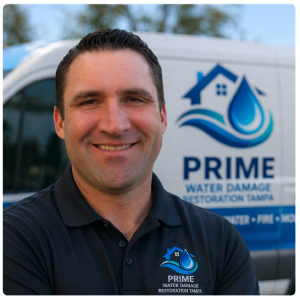
Bob Carlton is a fire, water, and mold cleaning specialist with over 15 years of experience serving residential and commercial buildings in Tampa, FL. His expertise in water damage restoration and mold remediation addresses the unique challenges of Tampa's humid climate. Bob provides focused cleaning services for local property owners and businesses.
Need Water Damage?
Quick water damage restoration in Tampa, FL and nearby areas (33602, 33606, 33607, 33609, 33611), delivering dry, safe properties with minimal downtime.
Get Estimate Now