


⚡ TL;DR: This article covers warning signs of ceiling water damage in Tampa homes, common causes from humid climate and storms, assessment steps, fixes, and professional repair to protect your property.
📋 What You’ll Learn
In this Tampa-focused guide to ceiling water damage repair, you’ll uncover warning signs, leak causes from humid weather and storms, assessment steps, professional fixes, and real case studies to safeguard your home.
- Spot top warning signs early like stains, sagging, mold, bubbling paint, and musty odors to prevent hidden leaks from worsening in Tampa’s rainy season.
- Understand leak causes in Florida from roof issues, AC condensation, plumbing failures, and humidity-driven problems that hit Tampa ceilings hardest.
- Master initial assessment and fixes with step-by-step checks, temporary patches, and safety measures before full damage spreads in storm-prone areas.
- Explore pro repair processes including drying, structural checks, replacement, and prevention tips drawn from Tampa case studies avoiding collapses.
📖 Reading time: 7 min
✍️ Author expertise: Tampa water damage pro with 20+ years restoring ceilings from real Florida storm and humidity repairs.
You're sipping your morning coffee in your Tampa home when you spot it: a suspicious yellow stain spreading across your living room ceiling like a bad omen.
That seemingly harmless mark? It's screaming trouble, often the first whisper of a hidden leak that's already chewing through your drywall, wiring, and peace of mind.
In Tampa's steamy climate, where afternoon storms hit like clockwork, ignoring these clues can turn a quick fix into a nightmare repair bill.
Let's dive into the top warning signs of ceiling water damage you need to catch before they crash through.
Top 7 Warning Signs of Ceiling Water Damage in Tampa Homes
Spot these red flags early, and you dodge a disaster. Tampa's relentless humidity turns small leaks into major headaches fast. Here's what to watch for right now.
- Yellow or brown stains: Water seeps in, carrying minerals that leave ugly streaks. Ignore it, and mold follows close behind.
- Bubbling paint or wallpaper: Moisture lifts the surface, creating blisters. Poke one, and water pours out like a busted pipe.
- Sagging drywall: Your ceiling literally droops from soaked weight. This screams structural failure incoming.
- Musty odors: That damp, earthy smell? Hidden black mold thriving in the dark. Tampa air makes it spread like wildfire.
- Visible drips or wet spots: Water beads up and drops. Grab a bucket quick, but call pros before it worsens.
- Mold or mildew patches: Fuzzy growth on the surface means deeper invasion. Breathe it in? Health risks spike.
- Cracks, bulges, or soft spots: Press gently; if it gives, collapse looms. Storms push these to the breaking point.
Seen any? Stop everything. One ignored sign snowballs into thousands in repairs.
Common Causes of Ceiling Leaks in Florida's Humid Climate
Tampa's relentless humidity turns minor roof flaws into gushing disasters. Warm air holds moisture like a sponge, and when it cools inside your attic, that water condenses everywhere. Suddenly, your ceiling becomes ground zero for drips you never saw coming.
Top Culprits Behind Ceiling Leaks
- Roof damage from storms: Tampa's daily downpours hammer shingles loose, letting water sneak through cracks and pool above your drywall.
- AC unit failures: Overworked systems in the heat drip condensation that overflows pans and soaks ceilings below.
- Plumbing issues in attics: Rusty pipes or loose fittings burst under pressure, sending water straight down.
- Poor attic ventilation: Trapped humid air breeds mold and constant drips on joists.
- Clogged gutters: Overflow sends water backing up under your roof tiles.
Spot these early, and you dodge the big hit. Florida's climate doesn't forgive neglect. One unchecked leak snowballs into sagging ceilings and hidden rot.
Why Tampa Storms Accelerate Ceiling Damage and Risks Involved
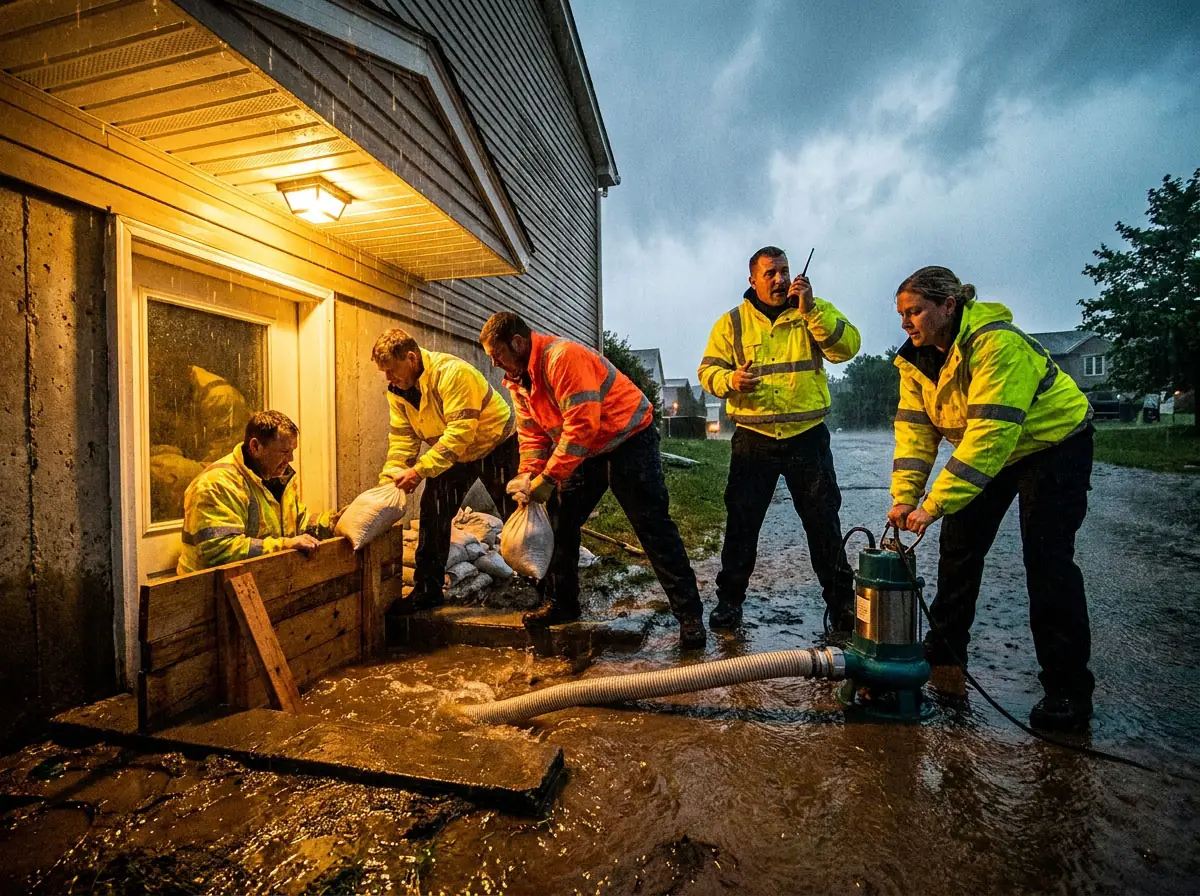
Tampa's summer storms don't mess around. They dump inches of rain in hours, overwhelming roofs and pushing water through the tiniest cracks. That humid air? It traps moisture inside, turning slow drips into raging floods behind your walls.
How Storms Supercharge the Damage
Picture this: wind-whipped rain hammers your roof shingles loose. Water sneaks under tiles, soaks insulation, and races to your ceiling. In Florida's relentless humidity, that water doesn't dry out fast—it festers.
- Roof gaps widen from storm battering.
- Attic humidity skyrockets, feeding mold growth.
- Sudden downpours create pressure surges that force leaks deeper.
The Real Risks You Can't Afford
Ignore it, and you're playing roulette with your home. Water hits electrical wiring first, sparking fire hazards nobody sees coming. Then comes structural rot—drywall sags, joists weaken, risking a full ceiling cave-in.
Mold spores explode in the damp, hitting your family's health hard with allergies and worse. And those repair bills? They balloon from hundreds to tens of thousands if collapse happens. Storms hit Tampa like clockwork—don't wait for the big one.
Step-by-Step Guide to Initial Assessment and Temporary Fixes
Spot a problem? Don't panic. Grab a flashlight, ladder, and your phone for pics – start assessing right now before it worsens.
Quick Safety Check and Inspection
- First: Kill power to the room at the breaker box. Wet wiring sparks disasters.
- Climb up safely. Poke the stain gently with a screwdriver. Soft, bulging spots mean water's pooling inside.
- Scan for cracks, peeling paint, or musty smells. Trace drips back to walls or lights – note everything.
Found mold? Bubbling? Snap photos from all angles. This builds your case for insurance later.
Smart Temporary Fixes to Buy Time
Cut a plastic sheet or trash bag bigger than the spot. Poke a small hole in the center for drips to drain into a bucket below.
- Tape it tight with duct tape. No leaks sneaking through edges.
- Prop the bucket steady. Empty it hourly during rain.
- Avoid big patches yourself – they hide deeper rot. Call pros within 24 hours.
These moves stop the mess from spreading. But they're just a band-aid – real repair needs experts fast.
Professional Ceiling Water Damage Repair Process Explained
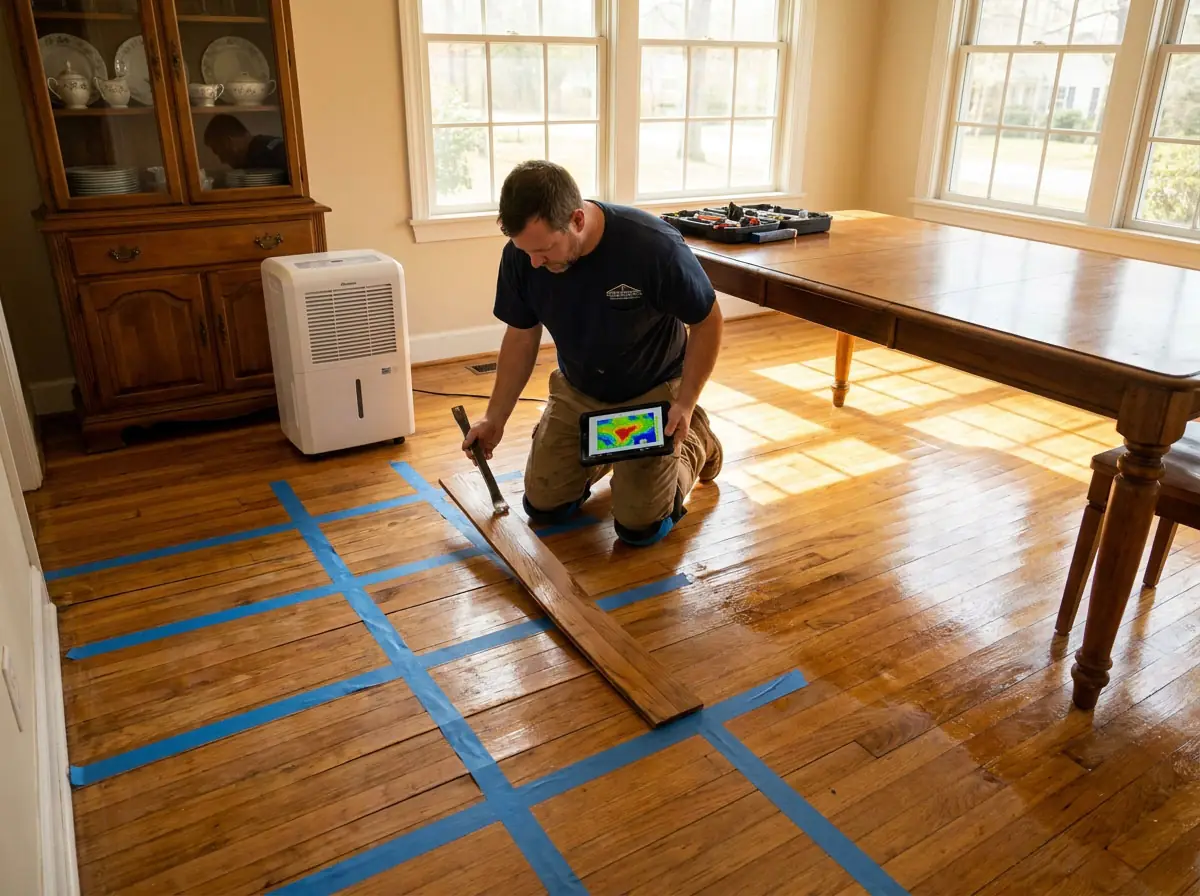
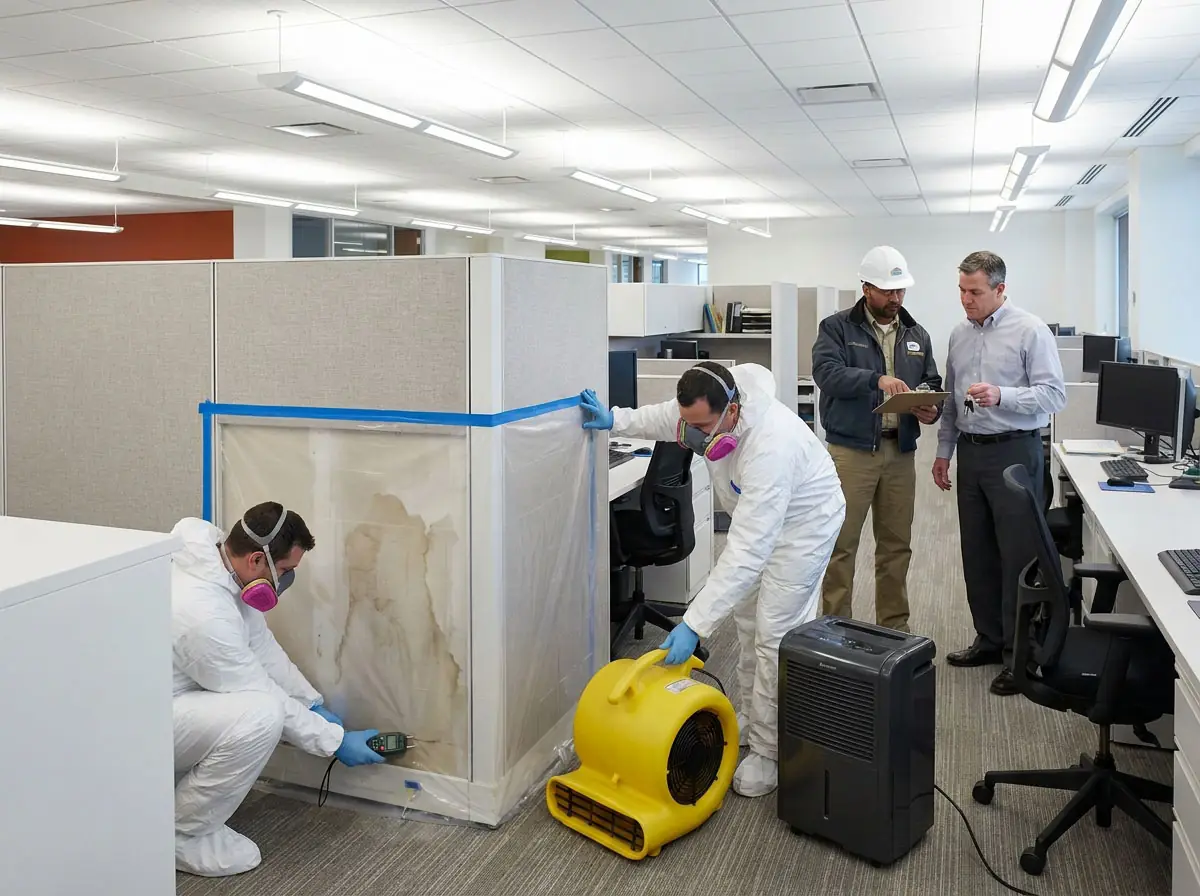
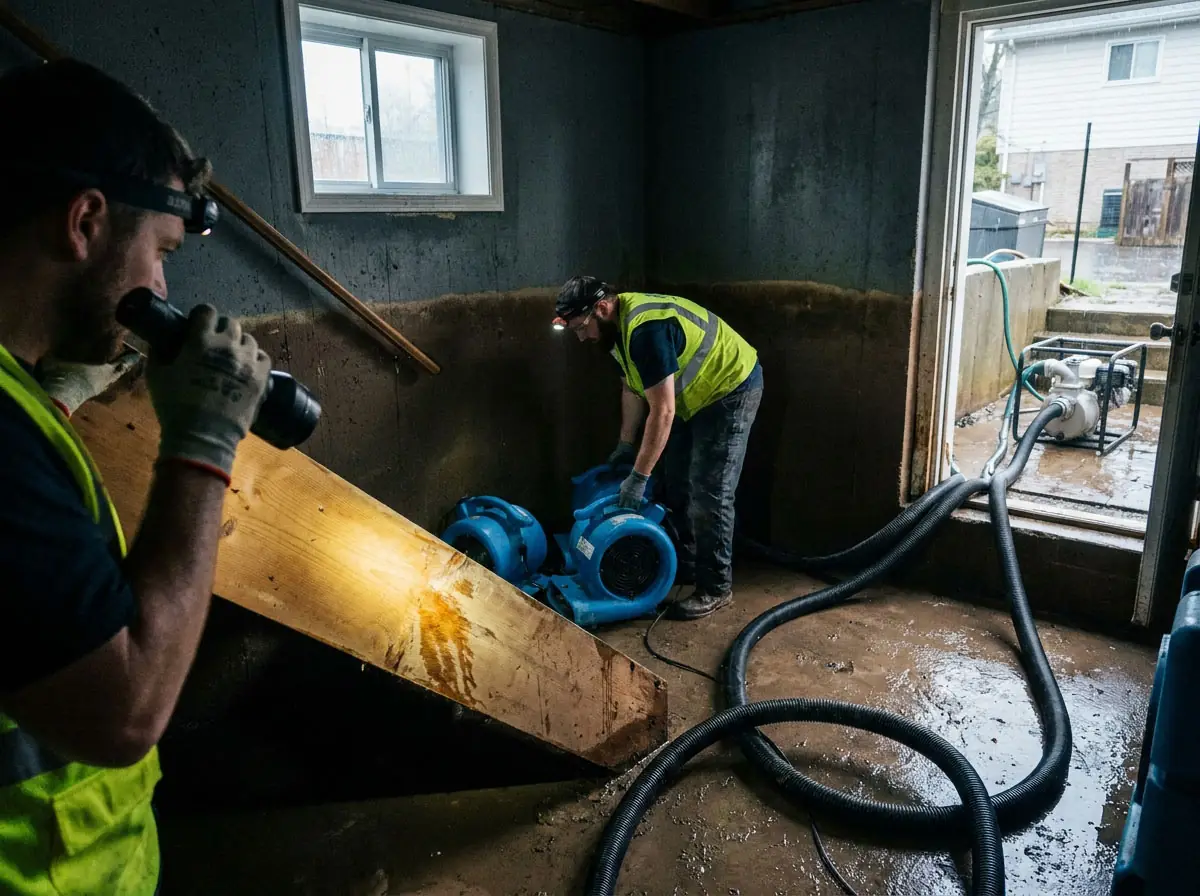
Call in the pros the second you spot trouble. They start with a full inspection using moisture meters and infrared cameras to pinpoint the leak source and damage extent. No guesswork here, just hard facts to avoid repeat headaches.
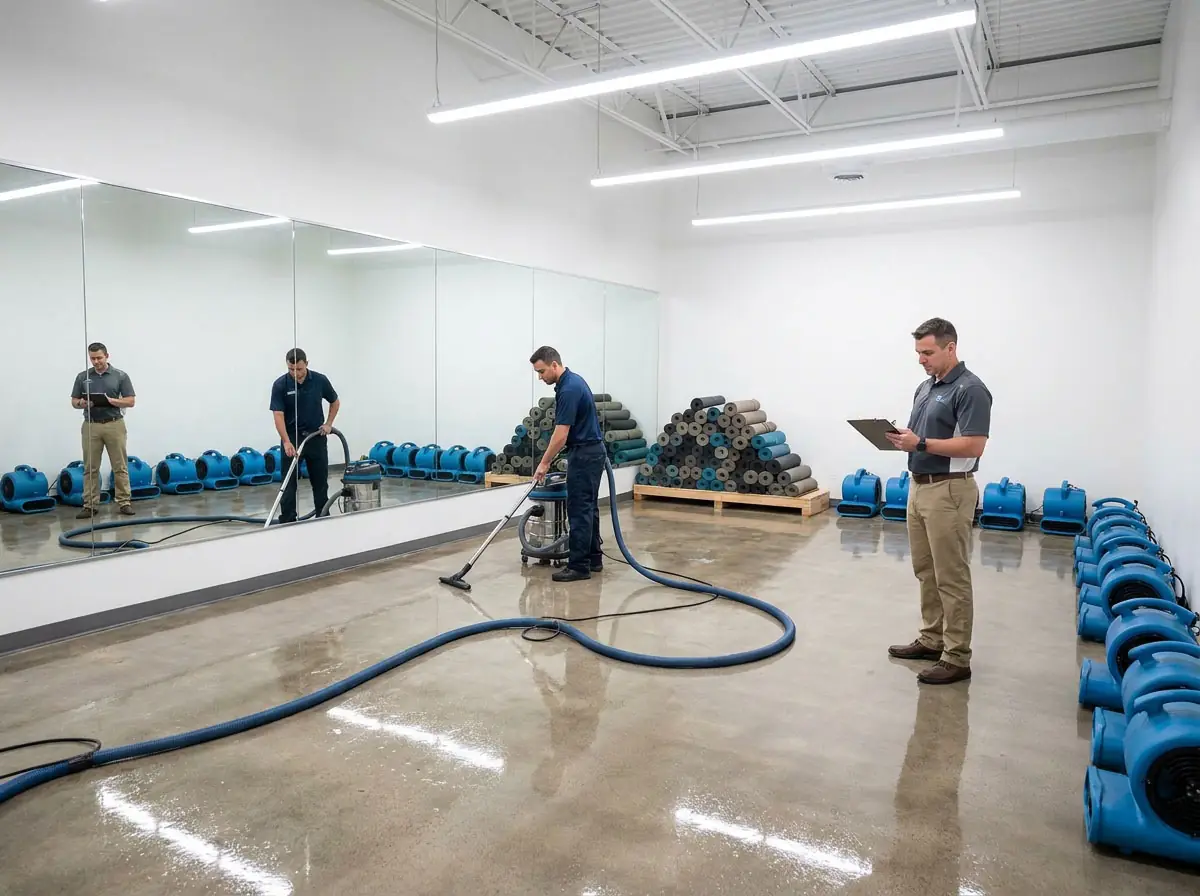
Next up: water extraction and drying. Crews suck out standing water with powerful pumps, then hit it with industrial fans and dehumidifiers for days if needed. This stops mold dead and saves your structure from rotting away.
The Repair Breakdown
- Remove damaged materials: Cut out soggy drywall, insulation, and any rotted framing. Precision matters to hit hidden spots.
- Check electrical and plumbing: Test wiring for shorts, fix pipes. Safety first, always.
- Reinforce and rebuild: Install new drywall, tape, mud, and prime. Seamless finish that looks factory-fresh.
- Mold treatment: Apply EPA-approved killers if spores show up. Breathe easy again.
Final walkthrough confirms everything's dry, sturdy, and painted to match. Your Tampa ceiling's back to bulletproof against those brutal storms. Pros wrap it in under a week, usually, minimizing your downtime.
Case Study: Saving a Tampa Family's Home from Ceiling Collapse
Meet the Rodriguez family in South Tampa. Last summer, a brutal thunderstorm dumped inches of rain overnight. They noticed a small water spot on their bedroom ceiling but brushed it off as "just humidity."
Two weeks later, disaster struck. The ceiling sagged dangerously, bulging with trapped water. Mold had already crept in, and electrical sparks flickered from the light fixture below.
Our Rapid Response
- First 24 hours: We arrived with industrial fans and dehumidifiers to dry the area fast.
- Day 2 inspection: Confirmed a roof leak from cracked flashing, plus hidden attic saturation.
- Full demo and rebuild: Removed 200 sq ft of damaged drywall, treated for mold, rewired safely, and installed new ceiling with reinforced materials.
Cost to the family? Under $8,000, versus a total gut job at $25,000 if they'd waited. Their home's solid now, storm-ready. Lesson learned: that first spot was the alarm bell they couldn't ignore.
Final Thoughts: Act Fast to Protect Your Tampa Property
Spot one of those warning signs? Don't wait. A small leak today can mean sagging drywall and mold tomorrow in Tampa's relentless humidity.
Quick action saves cash, stress, and your home's structure. Call in pros before storms hit again.
Take These Steps Now
- Grab your phone. Snap photos of the damage.
- Tarp it up if rain's coming. Shut off power to that circuit.
- Reach out for Ceiling Water Damage Repair before it worsens.
We've seen Tampa homes bounce back fast when owners move quick. Yours can too. Your property deserves that shot.
People Also Ask
How do I know if my ceiling has water damage in Tampa?
Look for discolored or bubbling paint, sagging ceilings, or peeling wallpaper as primary warning signs. Damp spots, musty odors, or visible mold growth often indicate hidden leaks from roofs or plumbing. In Tampa's humid climate, early detection prevents escalation into structural damage.
What causes ceiling leaks in Florida homes?
Common culprits include roof leaks from heavy rains or hurricanes, plumbing failures like burst pipes, and HVAC condensation in humid conditions. Poor attic ventilation exacerbates moisture buildup, while aging roofs common in Florida accelerate issues. Addressing these promptly avoids costly repairs.
Can I fix ceiling water damage myself in Tampa?
Minor surface fixes like drying and repainting may work temporarily, but underlying issues like structural weakening require pros. DIY attempts risk mold spread or collapse, especially post-storm. Hire Tampa experts for safe, thorough restoration using specialized equipment.
How much does ceiling water damage repair cost in Tampa?
Costs range from $500-$5,000 depending on damage extent, location, and repairs needed like drywall replacement or mold remediation. Tampa's storm frequency can increase prices due to urgency. Get a free inspection from local specialists for an accurate quote.
How long does it take to repair water-damaged ceilings?
Small repairs may take 1-3 days, while extensive damage involving drying, demolition, and rebuilding can span 1-2 weeks. Factors like moisture levels and access in Tampa attics influence timelines. Professionals use advanced drying tech to speed up the process safely.
Bob Carlton is a fire, water, and mold cleaning specialist with over 15 years of experience serving residential and commercial buildings in Tampa, FL. His expertise focuses on effective restoration for water damage and related issues throughout the local area. Bob draws on deep knowledge of Tampa's unique environmental challenges to deliver reliable services.
Need Water Damage?
Quick water damage restoration in Tampa, FL and nearby areas (33602, 33606, 33607, 33609, 33611), delivering dry, safe properties with minimal downtime.
Get Estimate Now