
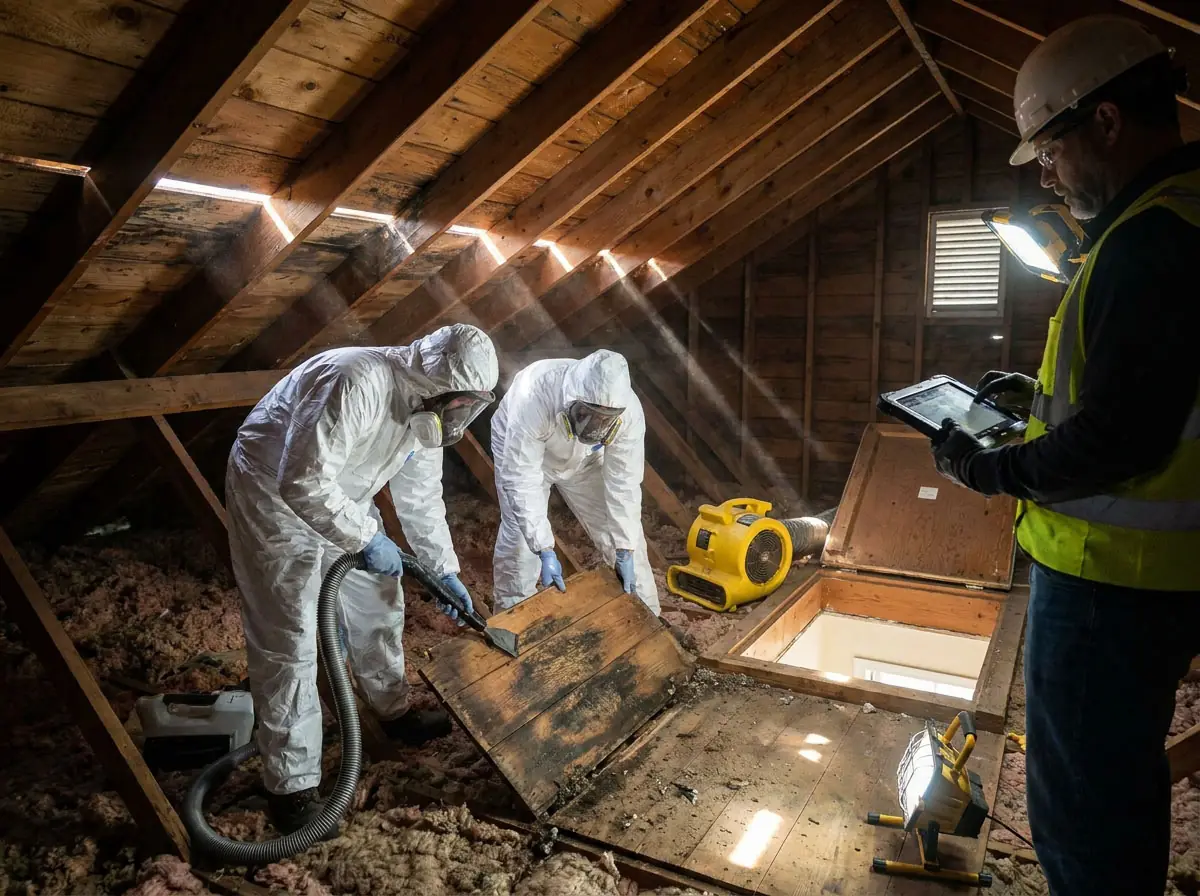
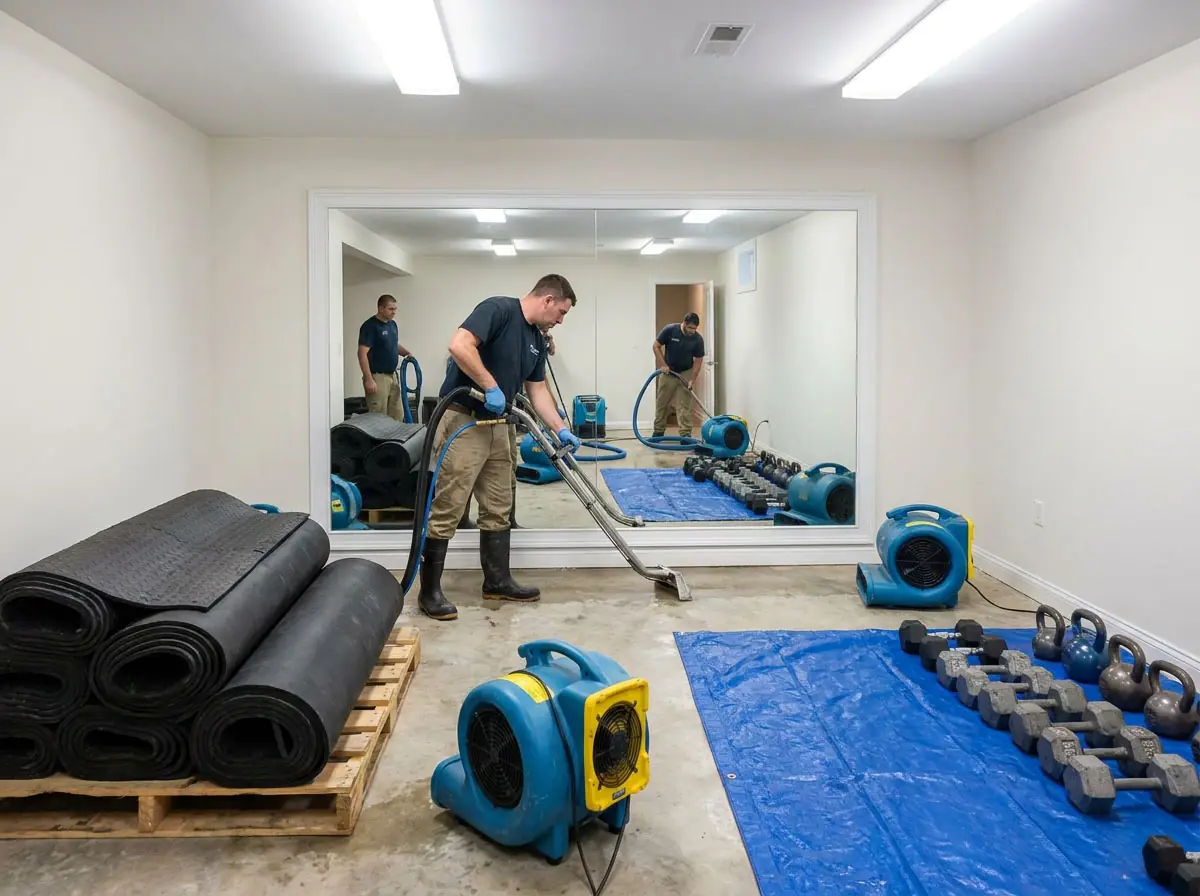


⚡ TL;DR: This guide provides a step-by-step recovery roadmap for basement water damage in Tampa, from safety measures and water extraction to drying, cleaning, and mold prevention with a local case study.
📋 What You’ll Learn
In this Tampa basement flooding roadmap, you'll master proven steps for safe water damage recovery, from halting floods to restoring your home, with local insights for Florida humidity challenges.
- Prioritize safety and isolate water sources to protect your family from hazards like electrocution and structural risks in Tampa's frequent storm-induced basement floods.
- Assess damage and document effectively for smooth insurance claims, capturing photos, videos, and details to maximize coverage without common homeowner pitfalls.
- Execute rapid water extraction techniques tailored for Tampa homes, using pumps and tools to remove standing water quickly and prevent further property destruction.
- Apply professional drying strategies with dehumidifiers and air movers to combat Florida's humidity, ensuring complete moisture removal and structural integrity.
- Master cleaning, sanitizing, and mold prevention through antimicrobial treatments and monitoring, plus real Tampa case studies for proven long-term home protection.
📖 Reading time: 7 min
✍️ Author expertise: Tampa water damage pro with 15+ years of hands-on flood recovery in local basements.
It's 3 a.m., and the rain hammers Tampa like a freight train. You bolt downstairs to a nightmare: inches of murky water swallowing your basement, ruining boxes of family photos, electronics, and who knows what else.
Heart pounding, you grab buckets and a shop vac, but the damage spreads fast. One wrong move, and mold sets in, costs skyrocket, and your home turns toxic.
This isn't just a mess; it's a ticking clock on your wallet and sanity. Grab this smart recovery roadmap, and turn chaos into control, step by proven step.
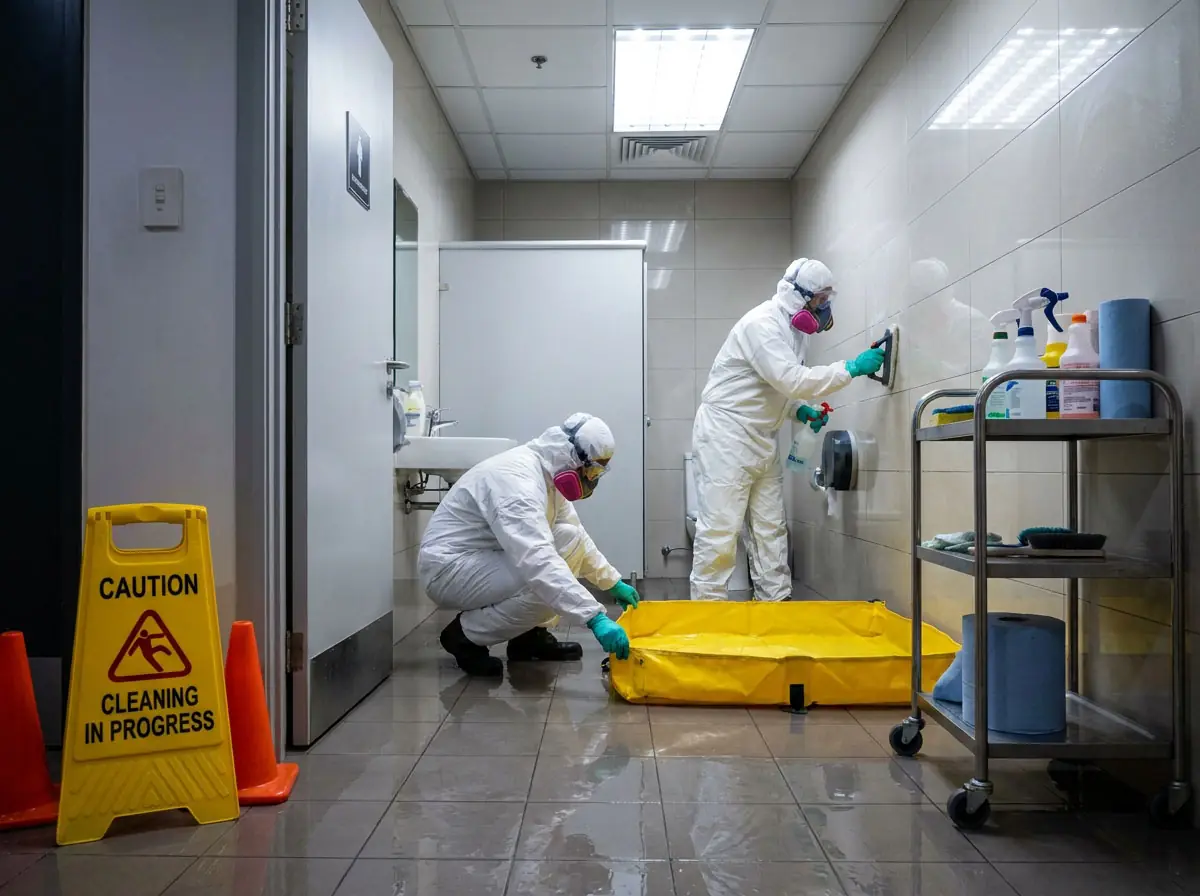
Step 1: Prioritize Safety and Shut Off the Water Source
Your basement floods. First instinct? Stop everything. Don't wade in barefoot or flip light switches.
Water and electricity mix deadly in Tampa's humid basements. Sloshing through inches of it risks shock or worse. Stay dry. Stay alive.
Quick Safety Checklist
- Grab a flashlight. Skip the lights or outlets.
- Wear rubber boots and gloves if you must enter.
- Turn off power at the breaker box. Do it from a dry spot.
Next, kill the water source. Tampa storms hit hard, often from burst pipes or sump pump failure. Locate your main shutoff valve, usually near the water meter or garage.
Twist it clockwise. Hard. No drip, no flow. You've bought time. Now call pros before hidden leaks worsen the mess.
Skip the heroics with wet vacuums yet. One slip into live wires, and your flood becomes a family crisis. Safety first turns panic into power.
Step 2: Assess Damage and Document for Insurance
Stop. Before you touch a thing, size up the mess. Water hides destruction behind walls and under floors, so a quick scan tells you how bad it really is.
Grab your phone. Snap photos and videos from every angle. Start high and work low, capturing saturated carpets, warped drywall, and ruined furniture.
Document Like Your Claim Depends on It (It Does)
- Inventory everything: List items with estimates of value. Heirlooms? Note sentimental worth too.
- Timestamp your footage. Mark water levels with a ruler or yardstick for proof.
- Record the clock: Note when you discovered the flood. Insurers love timelines.
Call your agent next. Share your docs right away. This locks in your claim and speeds up payout, turning red tape into real cash for repairs.
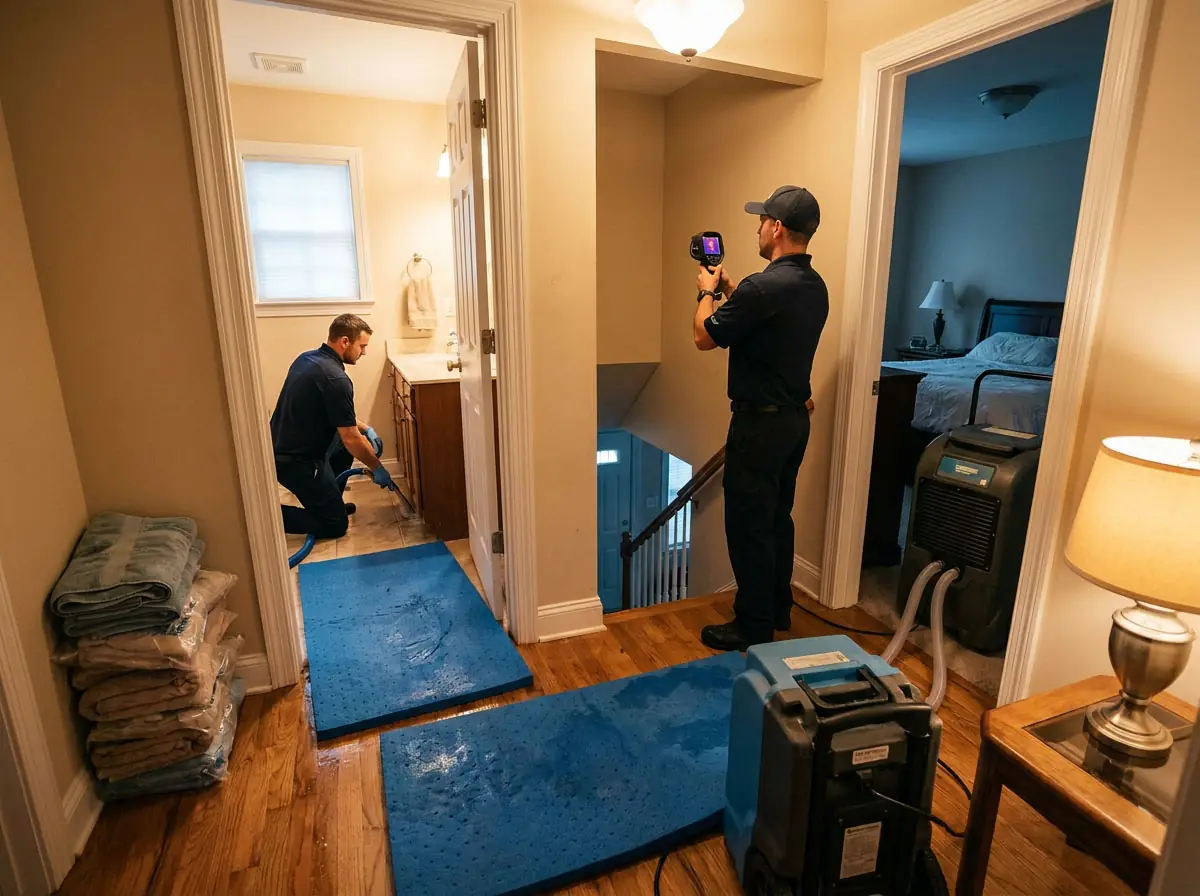
Step 3: Rapid Water Extraction Methods for Tampa Homes
Water sits like a sponge in your basement floor. Every minute it lingers soaks deeper into concrete, wood, and drywall. Suck it out fast or kiss your structure goodbye.
Grab These Tools Now
- Wet/dry shop vac: Hits small puddles quick. Empty often. Power through corners.
- Submersible pump: For inches-deep floods. Plug into a ground-fault outlet. Hose it outside.
- Sump pump upgrade: Tampa rains demand it. Install if absent. Prevents round two.
Tampa humidity fights back hard. Skip towels; they dump moisture right back in. Rent truck-mounted extractors for carpets if standing water hides there.
Pro tip: Mark water levels on walls with pencil. Track progress. Stop at electrical panels every time.
Step 4: Professional Drying and Dehumidification Strategies
Water hides in walls, floors, and furniture like a sneaky thief. DIY fans and dehumidifiers? They push moisture around, breeding mold in Tampa's steamy air. Call pros now - they hit it with industrial-grade gear that sucks out every drop fast.
Power Up with Air Movers and Dehumidifiers
- High-velocity air movers blast 2,000+ cubic feet per minute, creating wind tunnels that evaporate trapped water.
- Commercial dehumidifiers pull 100+ pints daily, fighting Florida's 80% humidity head-on.
- Targeted placement: Pros map moisture with meters, positioning units for max pull in your basement.
Expect full dry-out in 3-5 days, not weeks of your wet towels. Skip this, and structural rot creeps in. Our Tampa team monitors 24/7, adjusting psychrometric charts to nail perfect conditions.
One client saved $15K by drying right - no warped beams or black mold surprises. Pros log every reading for insurance proof too.
Step 5: Cleaning, Sanitizing, and Mold Prevention Essentials
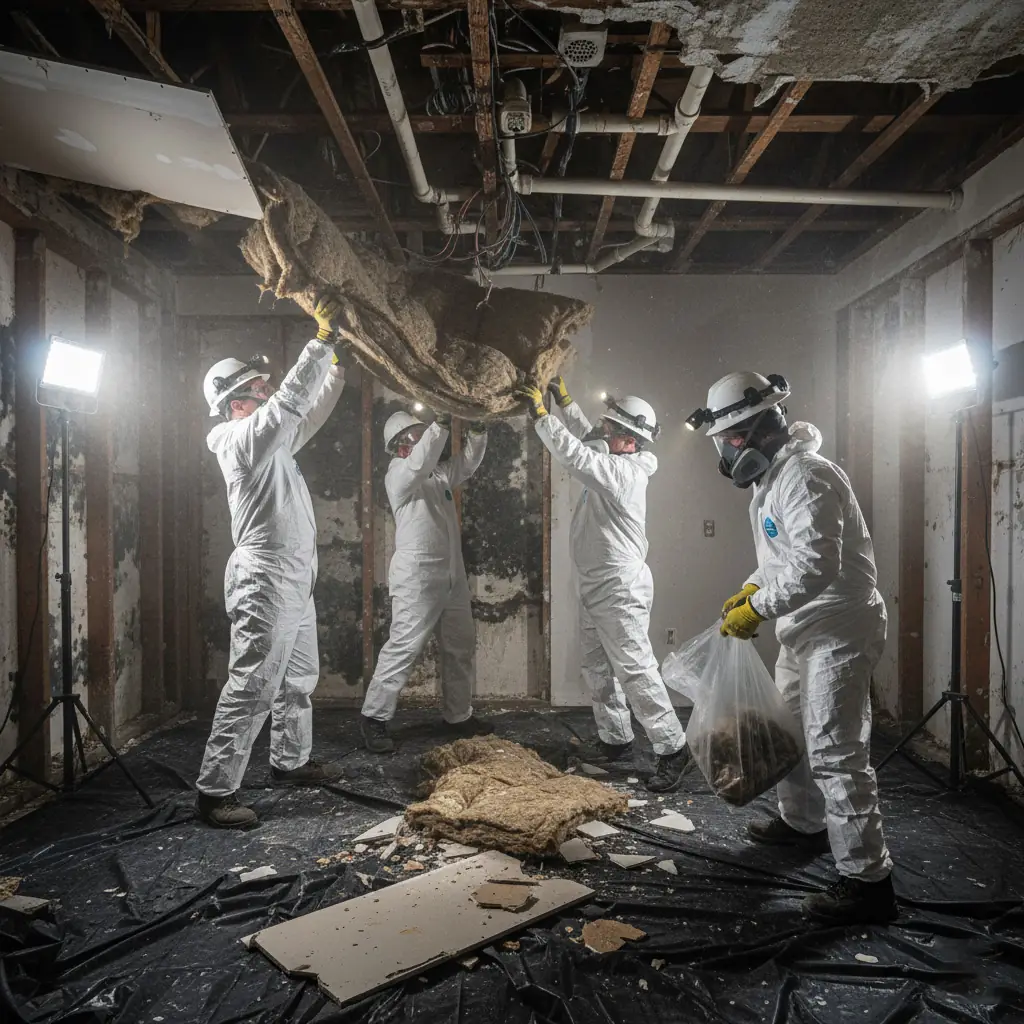
Water's gone, but the gunk lingers. Bacteria, sewage residue, and that Tampa humidity team up to breed mold faster than you can say "black spots." Hit it hard now, or pay later.
Scrub Smart, Not Hard
Start with heavy-duty cleaners. Mix one part bleach to ten parts water for non-porous surfaces. Wear gloves, goggles, and a mask, folks, this stuff fights back.
- Discard soaked porous items like carpet padding or drywall below the water line. No saving those.
- Wipe walls and floors with antimicrobial solutions. Get into cracks and corners.
- Rinse everything twice. Dry air circulation prevents re-soaking.
Lock Out Mold for Good
Tampa's muggy air loves mold parties. Apply EPA-approved mold inhibitors post-clean. Seal cracks with caulk to block future leaks.
Run HEPA vacuums for airborne spores. Monitor with a hygrometer, keep humidity under 50%.
Call pros if you spot fuzzy growth. DIY stops at prevention; they nuke the roots.
Real Tampa Case Study: Reviving a Flooded Family Basement
Meet the Rodriguez family in South Tampa. Last summer, a brutal thunderstorm dumped 6 inches of rain in hours. Their basement turned into a swamp overnight, soaking carpets, drywall, and holiday decorations.
The Panic Hits
Maria grabbed towels. Her husband fired up the shop vac. But water kept rising from a cracked foundation drain. By dawn, they called us.
- Safety first: We shut off the main and powered down electrics.
- Quick assessment: 2 feet of water, Category 2 damage.
- Insurance docs: Photos and videos captured every detail.
Turning the Tide
Truck-mounted extractors sucked out 1,500 gallons in under two hours. Industrial fans and dehumidifiers ran 72 hours straight. No shortcuts on antimicrobial treatments. Mold? Stopped cold.
Three weeks later, the basement gleamed. Drywall patched. Floors refinished. The Rodriguezes hosted their first dry Christmas bash there. Total cost? Half what DIY disasters run. Lesson: Speed beats sweat every time.
Final Words: Secure Your Home and Peace of Mind
Basement floods hit hard in Tampa's relentless rains. But follow this roadmap, and you dodge the disasters that sink most homeowners. Your family's memories, valuables, and health stay safe.
Don't wait for the next storm. Call pros who know Tampa's soggy secrets right now. One quick move locks in dry floors and zero worries.
- Act fast: Water out in hours, not days.
- Skip DIY traps: Pros cut costs long-term.
- Check our Basement Water Damage page for more Tampa wins.
Picture this: Your basement back to normal, insurance check in hand, no mold lurking. That's the win. Grab it today.
People Also Ask
How do I stop basement flooding immediately in Tampa?
Shut off the main water supply and stop using water in the home to prevent further flooding. Use sandbags or tarps for external sources like heavy rain common in Tampa's wet season. Call a professional water damage team right away for safe extraction.
What should I do first after a basement flood in Tampa?
Prioritize safety by avoiding electrical hazards and ventilating the area. Document the damage with photos for insurance claims. Contact local Tampa experts for rapid water removal to minimize structural harm.
How long does it take to dry a flooded basement in Tampa?
With professional equipment, drying typically takes 3-5 days depending on water volume and Tampa's high humidity. Industrial dehumidifiers and air movers speed up the process significantly. Delaying can lead to mold growth in Florida's climate.
Can I handle basement water cleanup myself in Tampa?
DIY is risky due to contaminated water and hidden damage; professionals use specialized tools for safe removal. Tampa's frequent storms often involve sewage backups requiring expert sanitization. Hiring certified pros ensures complete recovery and prevents health issues.
How much does basement flood repair cost in Tampa?
Costs range from $1,500 to $5,000+ based on damage extent, averaging $3,500 for typical Tampa basements. Insurance often covers most if documented properly. Get a free inspection from local specialists for an accurate quote.
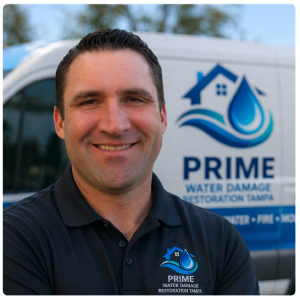
Bob Carlton is a fire, water, and mold cleaning specialist with over 15 years of experience serving residential and commercial buildings in Tampa, FL. His work focuses on restoration solutions adapted to the area's humid climate and storm-related challenges. He draws on deep local knowledge to address water damage for Tampa property owners.
Need Water Damage?
Quick water damage restoration in Tampa, FL and nearby areas (33602, 33606, 33607, 33609, 33611), delivering dry, safe properties with minimal downtime.
Get Estimate Now