
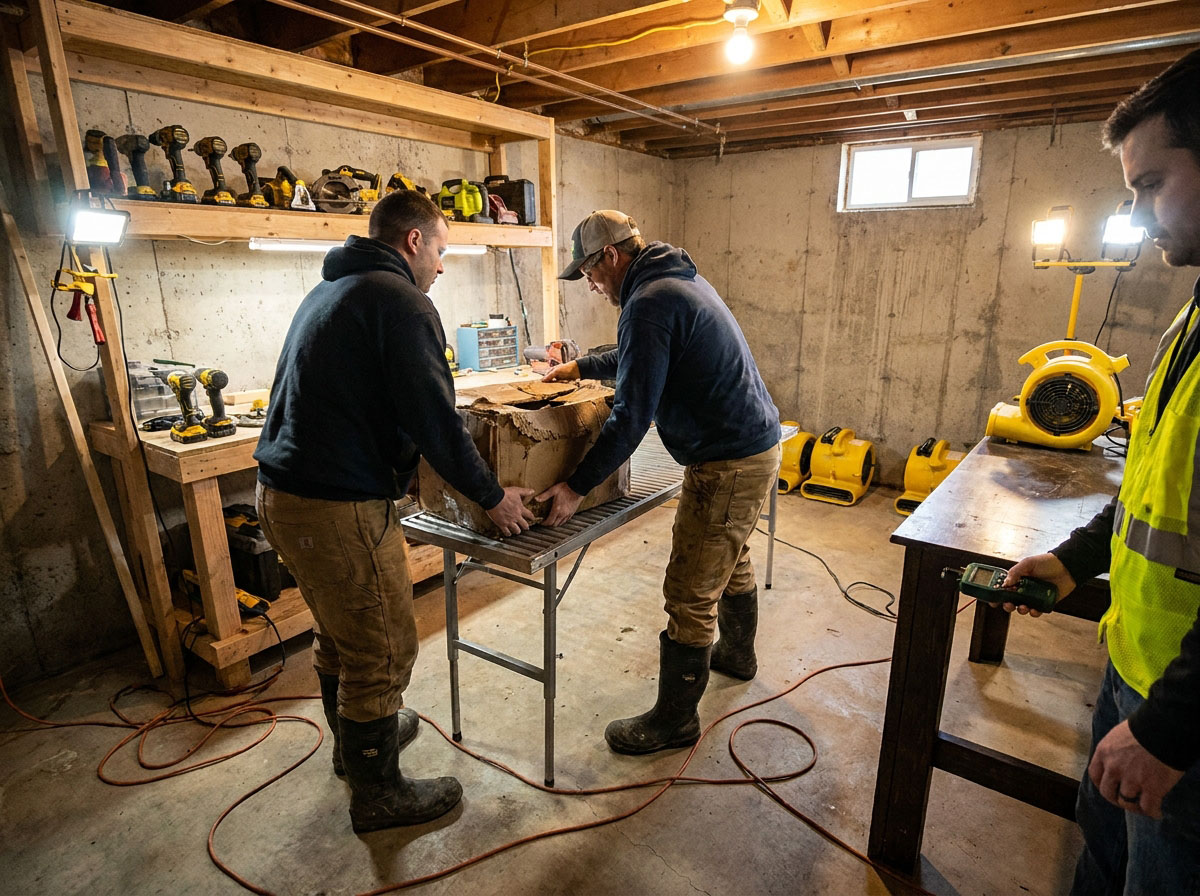


⚡ TL;DR: Discover why immediate Basement Flooding Cleanup in Tampa prevents damage, explore local causes, try initial DIY steps, and rely on pros for thorough restoration.
📋 What You’ll Learn
In this Tampa basement flooding cleanup guide, you’ll learn why rapid action prevents disaster, local causes, safe DIY steps, pro restoration advantages, the full process, and a real rescue story.
- Grasp why water removal can’t wait hours to stop mold, rot, structural failure, health risks, and massive repair bills in Tampa’s humid climate.
- Spot common Tampa basement flood triggers like storms, AC leaks, sewer backups, poor grading, and rising groundwater that strike Florida homes year-round.
- Execute safe initial DIY flood responses from shutting off power, basic pumping, ventilation, and knowing limits to minimize damage before pros arrive.
- See why hiring pros trumps DIY every time with industrial gear, moisture detection, mold protocols, and insurance expertise for complete, lasting recovery.
- Follow the pro step-by-step restoration path including extraction, drying, disinfection, rebuild, and prevention to safeguard your basement long-term.
📖 Reading time: 7 min
✍️ Author expertise: Tampa water damage expert with 15+ years of hands-on basement flood restoration experience.
It's 3 a.m. in Tampa, and heavy rain pounds your roof like a freight train. You shuffle downstairs for a glass of water, flip on the light, and freeze: your basement's a dark lake, inches deep, with that sickening musty smell already creeping up.
That water didn't just appear. It's from last night's downpour sneaking through cracks or a busted pipe, and right now it's soaking your boxes, furniture, and walls, breeding mold faster than you can say "disaster."
Waiting until morning could cost you thousands in ruined belongings and health risks. Stick around, and I'll show you why acting fast on basement flooding cleanup in Tampa saves your sanity and wallet.
Why Basement Water Must Be Removed Within Hours
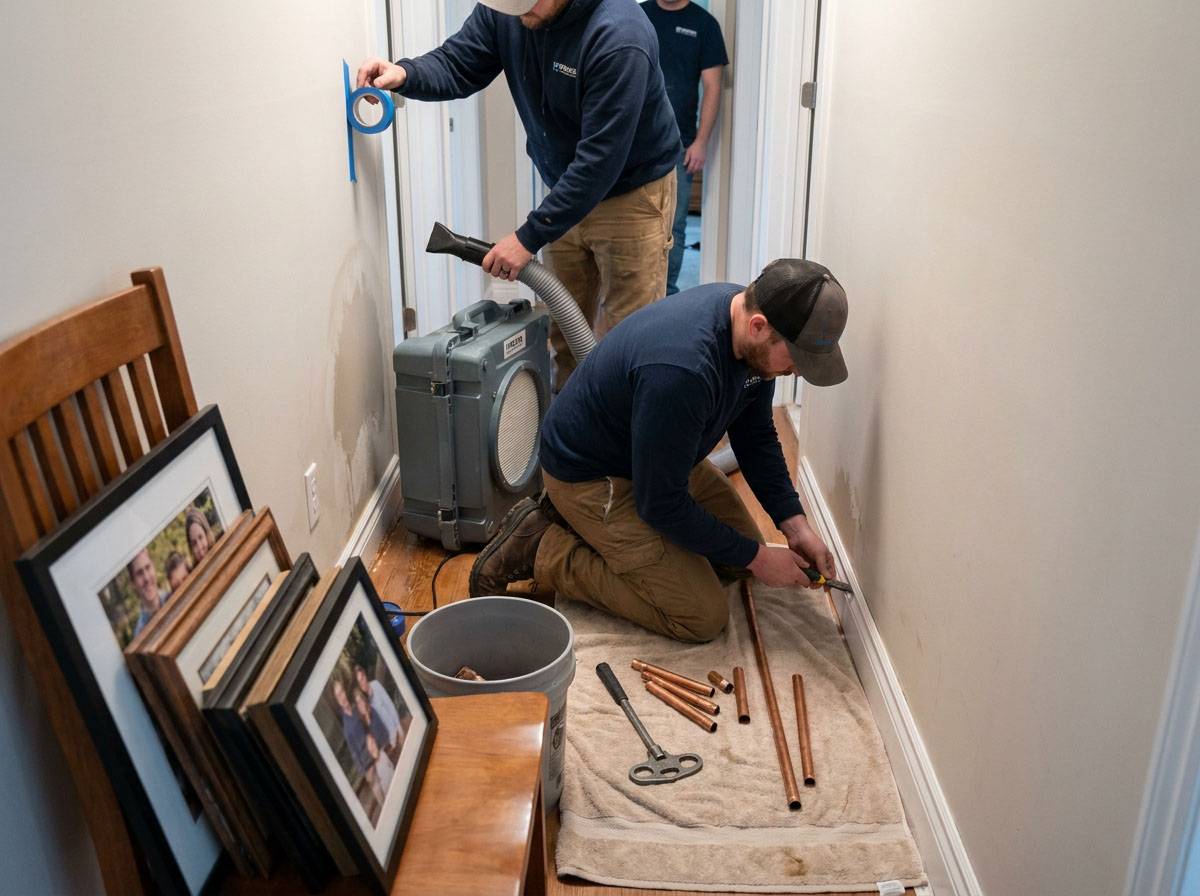
Water in your basement isn't just wet. It starts a chain reaction the second it pools. Leave it sitting, and you're handing mold a free pass to party.
Mold spores kick off growth in 24 to 48 hours. Bacteria thrive even faster, turning your space into a health hazard. Porous stuff like drywall and carpet? They suck it up like sponges, spreading the mess deep inside.
Here's what ticks down if you stall:
- Hour 1-12: Water seeps into cracks, weakening concrete foundations.
- Day 1: Wood swells, metals rust, electronics fry.
- Day 2+: Black mold sets in, structural rot begins, repair bills skyrocket.
Act inside the first few hours. Dry it out quick, and you dodge most of the nightmare. Pros know this timeline cold – it's why they drop everything for Tampa calls.
Common Causes of Basement Flooding in Tampa
Here in Tampa, our wild weather hits basements hard. Think relentless summer storms dumping inches of rain overnight. Or those sneaky tropical systems that turn streets into rivers.
But it's not just Mother Nature. Clogged gutters and downspouts force water right through your foundation. Add in Florida's sandy soil shifting under heavy rain, and cracks open up like invitations for floods.
Top Culprits You Might Overlook
- Sump pump failure: Powers out during a storm? That pump quits, and water rises fast.
- Burst pipes from aging plumbing or freezing (rare but brutal in AC-chilled spaces).
- High water table after monsoons, pushing groundwater up through floors.
- Leaky windows or doors at basement level, letting rain seep in unchecked.
Spot these early, and you dodge the deluge. Most Tampa homes built pre-2000s lack modern waterproofing, making them prime targets.
Immediate DIY Steps for Basement Flood Response
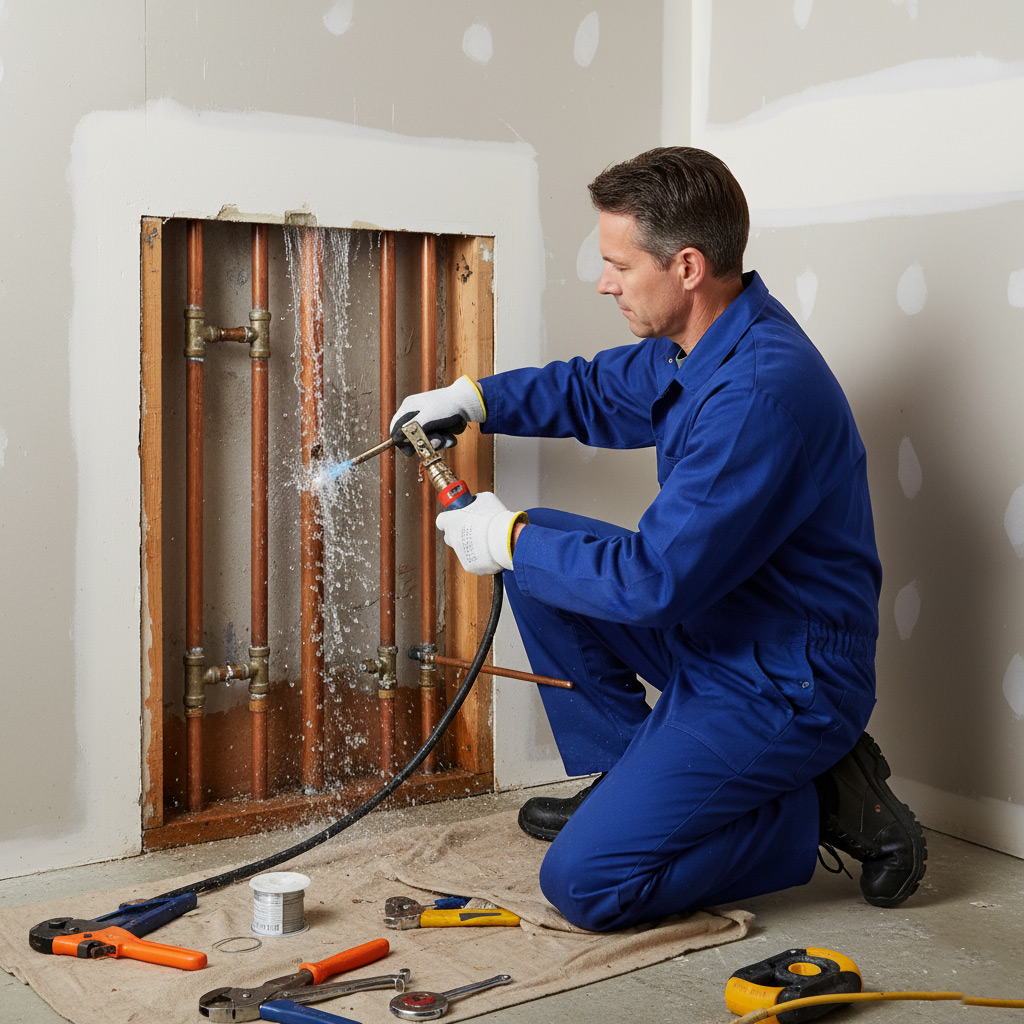
Stop everything and prioritize safety first. Shut off the main power to your basement at the breaker box. Standing water plus electricity equals a shocking disaster you don't want.
Next, hunt down the water source. If it's a burst pipe, twist the shutoff valve clockwise. For rain overflow, clear gutters and downspouts fast. Every minute counts here.
Quick Water Removal Tactics
- Grab buckets or a wet/dry shop vac to suck up shallow water. Start from the farthest corner and work toward the exit.
- No pump? Use towels to mop up and wring into a drain or outside. Team up with family for speed.
- Prop open doors and windows. Crank fans to blow air across wet surfaces.
Salvage what you can. Hoist furniture onto blocks or move it upstairs. Boxed stuff? Toss soggy cardboard immediately, but air out clothes and papers.
Skip the bleach bombs for now. Focus on drying. Mold laughs at wet walls, so hit them with box fans pointed outward.
Why Professional Cleanup Beats DIY Every Time
You grab a shop vac and some towels. Feels good at first. But that water hides in walls and floors, mocking your efforts.
DIY hits a wall fast. Buckets overflow. Your back screams. And mold? It laughs while you sleep.
Here's Why Pros Crush It
- Truck-mounted extractors suck out gallons in minutes, not hours. No more puddles.
- Air movers and dehumidifiers dry deep into the structure. Mold gets no foothold.
- Certified techs spot hidden moisture with thermal cameras. You miss that, damage spreads.
- They handle hazmat like sewage safely. Gloves and bleach? Not enough.
Insurance loves pros too. Detailed reports speed claims. Skip them, fight adjusters alone.
Call a Tampa basement flooding cleanup crew now. They turn panic into dry floors by dawn.
The Step-by-Step Pro Basement Flood Restoration Process
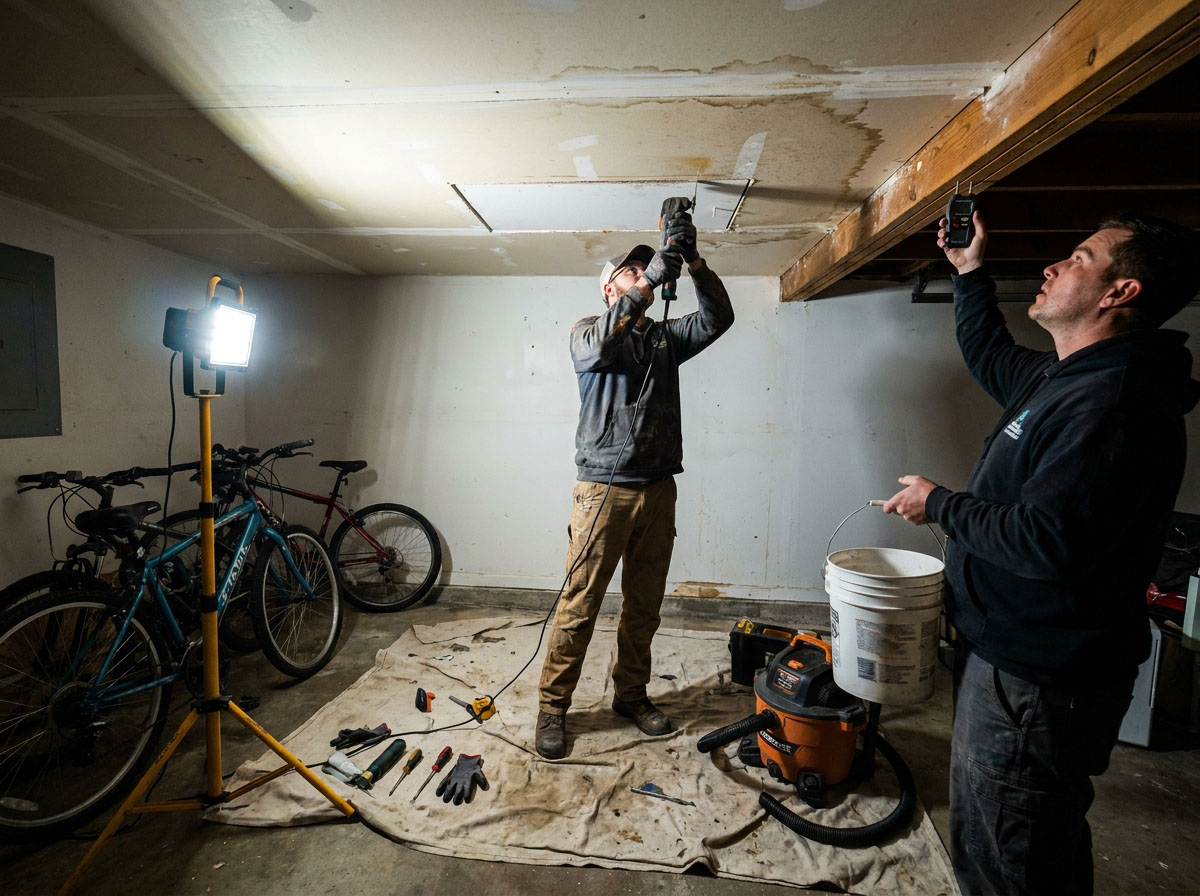
Pros hit the ground running. First, we suit up in protective gear and assess the damage down to the inch of water and hidden moisture pockets. No guesswork - we use moisture meters and thermal cameras to map it all out.
Step 1: Emergency Water Extraction
Truck-mounted pumps suck out standing water in minutes. We cut through carpets and pull up soaked padding to get every drop. Speed here stops the clock on mold growth.
Step 2: Aggressive Drying
Industrial air movers blast 40 mph winds across every surface. Dehumidifiers pull humidity down to safe levels fast - think 24-48 hours for most jobs. We monitor hourly to avoid warping floors or walls.
- Position fans strategically for max airflow.
- Check hidden spots like behind drywall.
- Prevent secondary damage from trapped dampness.
Step 3: Cleaning, Sanitizing, and Rebuild
Antimicrobial treatments kill bacteria and mold spores dead. Then we scrub, deodorize, and restore what we can - or rebuild stronger. Your basement comes back drier, safer, and ready for Tampa's next storm.
Case Study: Rescuing a Tampa Basement from Ruin
Meet Mike, a Tampa homeowner in Seminole Heights. Last summer's hurricane dumped 6 inches of rain overnight. By dawn, his basement held 4 inches of murky water, threatening his home gym setup and stored family heirlooms.
He grabbed his phone at 5 a.m. and called our team. We arrived in under an hour with industrial pumps roaring. Water was out by 7 a.m. No sitting around breeding bacteria.
Key Moves That Saved the Day
- Extracted 1,200 gallons using truck-mounted vacuums. Floors dried fast.
- Injected antimicrobial treatments into walls. Stopped mold dead.
- Set up 20 air movers and dehumidifiers. Full dry-out in 72 hours.
Mike's total bill? Under $4,500. If he'd waited a day, pros estimate $15,000 in structural damage and replacement costs. His basement's bone-dry now, gym back in action. Lesson learned: Speed crushes disaster.
Final Words
Basement floods hit hard and fast in Tampa. Every hour you delay pumps up the damage bill. Act now, or watch your home turn into a mold factory.
Grab your phone. Call our crew for basement flooding cleanup that stops the nightmare cold. We've yanked Tampa basements back from the brink hundreds of times.
- Water out in hours, not days.
- Mold killed before it spreads.
- Your stuff saved, insurance happy.
One call flips disaster to done. Don't sleep on this.
People Also Ask
How quickly should water be removed from a flooded basement in Tampa?
Water in your basement should be removed within hours, ideally immediately, to prevent mold growth and structural damage. In Tampa's humid climate, standing water can lead to rapid microbial proliferation overnight. Contact professionals like our Tampa water damage team for swift extraction to minimize long-term issues.
What happens if water sits in my basement overnight?
Leaving water overnight allows mold spores to activate, potentially causing health hazards and costly repairs. It can also weaken foundations and ruin stored items irreversibly. Our expert cleanup services in Tampa ensure thorough drying to avoid these pitfalls.
Can I handle basement flooding cleanup myself in Tampa?
Basic steps like shutting off electricity and removing standing water are doable initially, but DIY lacks the equipment for complete drying and mold prevention. Tampa's frequent storms demand professional tools to address hidden moisture. Trust our certified team for safe, effective restoration.
How much does basement flooding cleanup cost in Tampa?
Costs vary from $1,500 to $5,000+ based on flood extent, but prompt action reduces expenses by preventing secondary damage. Factors include water volume and materials affected. Get a free estimate from our local Tampa specialists for transparent pricing.
How to prevent future basement flooding in Tampa homes?
Install sump pumps, seal cracks, and maintain gutters to combat heavy rains and hurricanes. Elevate valuables and consider flood barriers suited to Florida's weather. Schedule a prevention inspection with our Tampa water damage pros for tailored advice.
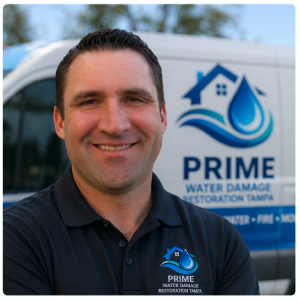
Bob Carlton is a fire/water/mold cleaning specialist with over 15 years of experience serving residential and commercial buildings in Tampa, FL. He focuses on water damage restoration, fire cleanup, and mold remediation tailored to the local area's humid climate and storm risks. Committed to Tampa homeowners and businesses, Bob delivers thorough solutions for property recovery.
Need Water Damage?
Quick water damage restoration in Tampa, FL and nearby areas (33602, 33606, 33607, 33609, 33611), delivering dry, safe properties with minimal downtime.
Get Estimate Now